

📢 CONTACT US FOR A FREE AUDIT, CONSULTATION, OR BRAND ANALYSIS. WE WANT TO HELP HOWEVER WE CAN 🏁 BUILD YOUR BRAND, SELL THE WOW FACTOR, AND LET US DO THE THINKING AHEAD 🧠
📢 CONTACT US FOR A FREE AUDIT, CONSULTATION, OR BRAND ANALYSIS. WE WANT TO HELP HOWEVER WE CAN 🏁 BUILD YOUR BRAND, SELL THE WOW FACTOR, AND LET US DO THE THINKING AHEAD 🧠
📢 CONTACT US FOR A FREE AUDIT, CONSULTATION, OR BRAND ANALYSIS. WE WANT TO HELP HOWEVER WE CAN 🏁 BUILD YOUR BRAND, SELL THE WOW FACTOR, AND LET US DO THE THINKING AHEAD 🧠
Paid Search vs Organic Search: A Guide to Drive High-Value Traffic
Paid Search vs Organic Search: A Guide to Drive High-Value Traffic
8 minutes read - Written by Nextus Team
SEO
Marketing
Guide
Comparison

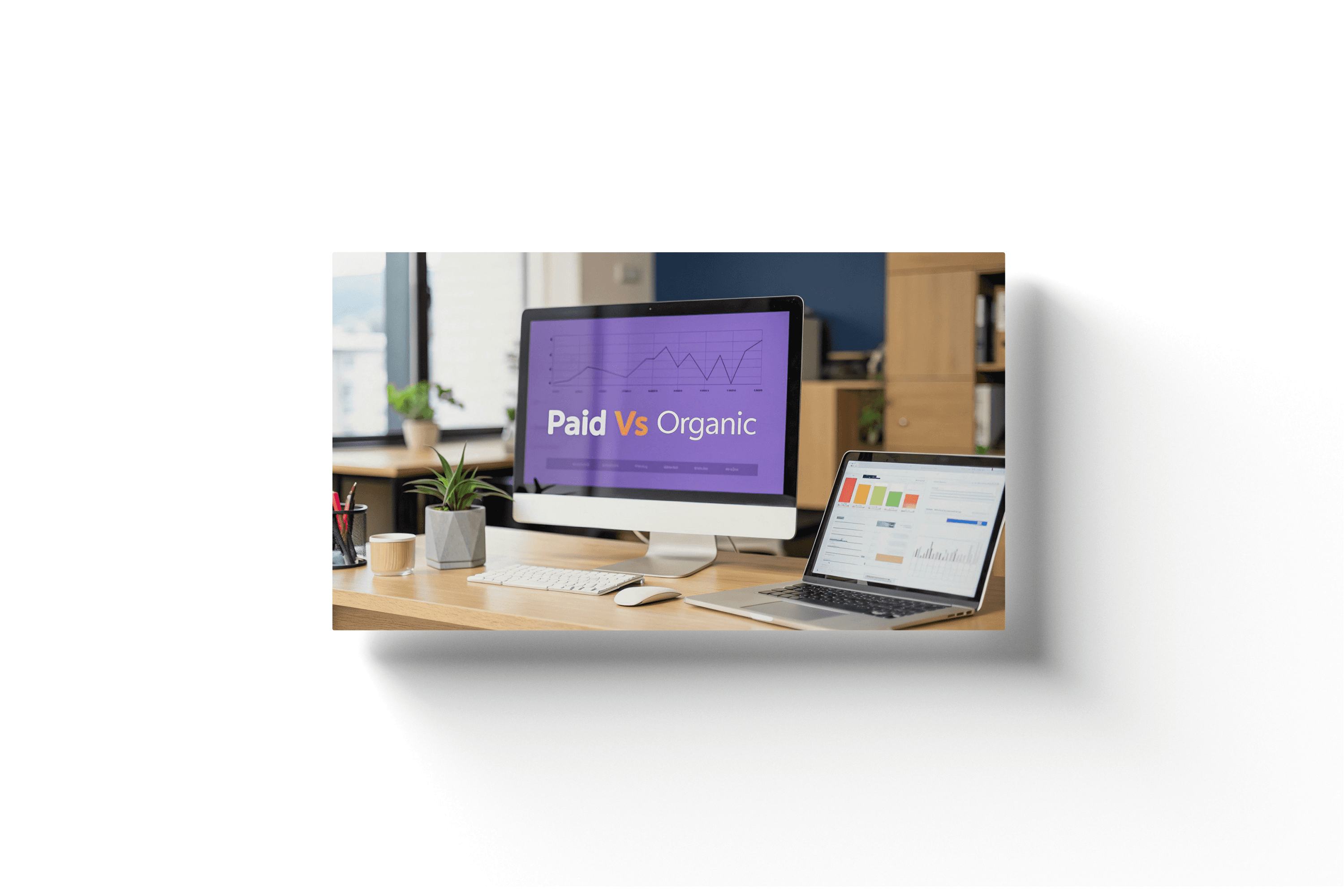
The easiest way to understand the difference between paid and organic search is to think about it in terms of renting versus owning.
With paid search, you're essentially renting premium real estate at the top of the search results for instant visibility. Organic search, on the other hand, is the long game—it's about earning that space by building a valuable, trustworthy digital asset over time. The right choice for you boils down to a simple question: do you need to attract buyers right now, or are you building a brand for sustainable, long-term growth?
Understanding Paid Search vs Organic Search
To make the right call for your business, you need to get a handle on how each channel works. Think of them as two distinct tools in your marketing kit, each designed for a specific job and outcome. One gives you speed and precision, while the other delivers credibility and returns that compound over time. A professional Brand Identity Agency can help you determine the optimal mix to achieve your goals.
Defining The Core Concepts
Paid search, commonly known as Pay-Per-Click (PPC), is exactly what it sounds like. Advertisers bid on specific keywords to get their ads shown in the sponsored sections of a search engine results page (SERP). You pay a fee every single time someone clicks your ad. It's a straightforward, transactional way to buy traffic from users who are actively looking to make a purchase.
Organic search is powered by Search Engine Optimization (SEO). This is the process of improving your website—its content, technical health, and authority—so that search engines like Google rank it high up on the page based on its quality and relevance. The traffic you get is earned, not bought. If you want to go deeper, you can check out our guide on https://www.nextus.solutions/knowledge-center/what-is-search-engine-optimization.
The decision isn't just about budget; it's about aligning your search strategy with your core business timeline and goals. Instant visibility through PPC can validate a product, while SEO builds a lasting brand presence.
The difference between these two is massive because user intent and trust levels are worlds apart. The data doesn't lie: the #1 organic search result on Google gets around 19 times more clicks than the top paid search ad. That translates to an incredible click-through rate (CTR) of about 27.6% for the top organic spot, which completely overshadows the average CTR for a paid ad.
For a more detailed breakdown from an advertiser's point of view, this piece on Paid Search vs Organic Search: A Google Ads Perspective offers great context on how each channel functions within the Google ecosystem.
At A Glance Comparison
To make the choice a bit clearer, let's break down the key characteristics of each strategy. This gives you a high-level snapshot that sets the stage for a more detailed look at how to drive traffic from buyers.
Key Differences Between Paid and Organic Search
This table provides a quick summary of how PPC and SEO stack up across the most important business dimensions when you need to attract transactional, high-intent traffic.
Attribute | Paid Search (PPC) | Organic Search (SEO) |
|---|---|---|
Speed to Results | Immediate (within hours) | Slow (6-12+ months) |
Cost Model | Pay-per-click (direct cost) | Resource investment (indirect cost) |
Longevity of Results | Stops when you stop paying | Compounding and long-lasting |
User Trust Level | Lower (users know it's an ad) | Higher (seen as more credible) |
Targeting Precision | Extremely high (demographics, keywords) | Broad (topic-based) |
Ultimately, choosing between them—or, more often, blending them—is a strategic move. A solid digital foundation, often starting with professional Web Design in Naples FL, should be built to excel in both paid and organic channels, ensuring every dollar you invest is driving real, measurable growth.
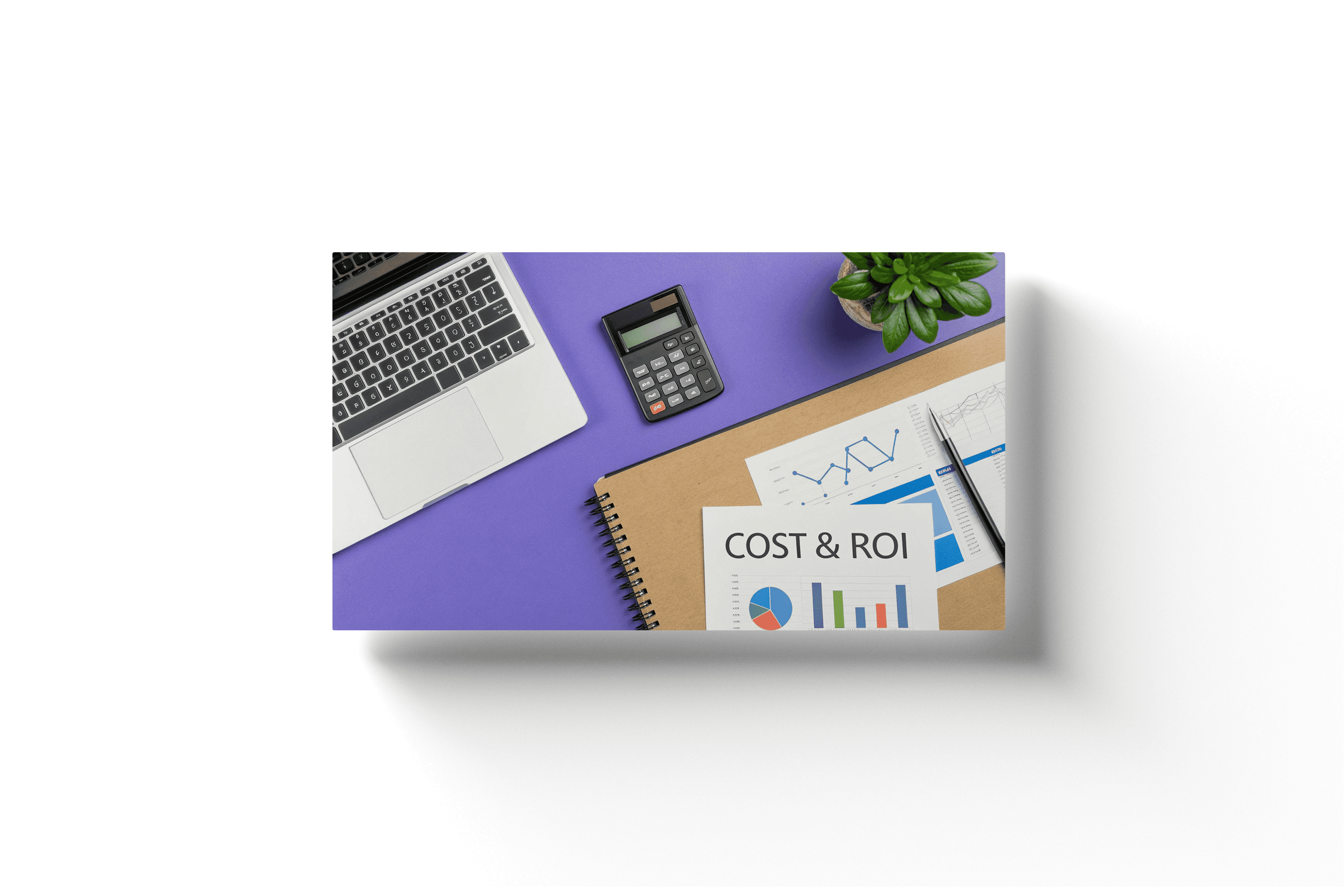
Analyzing the Financial Investment and ROI
When you're weighing paid search vs organic search, the conversation always comes back to money: the initial investment and the eventual return. The two channels couldn't be more different in how they operate financially. Think of it like renting an apartment versus buying a house—one offers immediate access to buyers, while the other builds long-term equity. Getting these financial models right is the key to spending your marketing budget wisely.
The Direct Costs of Paid Search
Paid search runs on a straightforward Pay-Per-Click (PPC) model. It’s purely transactional. Every time someone clicks your ad, you pay a fee.
That fee, your Cost Per Click (CPC), isn't set in stone. It's decided in a live auction where you bid against everyone else trying to show up for the same transactional keywords. Factors like industry competition and ad quality directly influence your CPC. For any business needing traffic from buyers right now, it’s a clear and predictable path. But the cost never stops. The second you turn off the spend, the traffic disappears.
The Resource Investment in Organic Search
Organic search, or SEO, is a completely different kind of investment. Instead of buying clicks, you're investing resources—time and money—into building your website into a digital asset that you own. This means paying for expert content, detailed technical SEO audits to keep your site fast and friendly for Google, and building authority through backlinks.
This isn't a quick fix. It takes patience and a steady budget. But every dollar you spend is an investment in your own property. A solid SEO strategy creates a traffic source that keeps on giving, long after you’ve paused a specific campaign, attracting qualified buyers for years to come.
Paid search buys you immediate traffic, while organic search builds an asset that earns you traffic. Your budget dictates the scale of PPC, but your strategy dictates the long-term value of SEO.
Comparing Long-Term Return on Investment
Calculating the ROI for each channel really tells the story. PPC almost always delivers a faster, more trackable ROI right out of the gate. You can draw a straight line from ad spend to sales on day one, which makes it perfect for targeting buyers with a new product or seasonal promotion.
But the game is changing. The cost of playing in the paid search sandbox has shot up, with Google Search CPCs climbing by a staggering 45% year-over-year between 2024 and 2025. In stark contrast, organic search—while a long-term play—tends to deliver a 25% higher return on investment (ROI) than PPC.
SEO’s ROI is a compounding force. The first few months might feel slow, but the value of those earned rankings grows exponentially. A single blog post can continue to bring in leads for years, driving your cost per acquisition down over time. For a deep dive into the numbers, this guide on how to calculate marketing ROI is a great resource.
The smartest financial plan uses both. A skilled agency can help you build a budget that leverages PPC for quick wins while you make the steady, long-term investment in SEO for sustainable growth. A big piece of this puzzle is getting a handle on your marketing automation ROI, which helps tie all your efforts together.
Comparing Speed to Results and Campaign Timelines
When you line up paid search and organic search side-by-side, the most glaring difference is time. The urgency of your business goals—how fast you need leads or sales from buyers—should be the single biggest factor guiding your initial strategy. One channel gives you a firehose of traffic almost instantly, while the other is about building a permanent, self-sustaining asset.
The Instant Gratification of Paid Search
Paid search is the sprinter of the digital marketing world. No question about it. You can literally dream up a campaign in the morning and see your ads sitting at the top of Google by the afternoon. This speed makes it an indispensable tool for anything time-sensitive.
Got a new product launch, a Black Friday promotion, or a sales team with an empty pipeline? PPC delivers that immediate visibility. The second your campaign goes live and your budget is in place, you're in front of people actively searching for what you offer. It’s perfect for testing an idea, validating a new offer, or just generating revenue right now to keep the lights on.
The Strategic Marathon of Organic Search
Organic search, on the other hand, is a true marathon. It’s a long-term investment in creating a digital asset that pays you back for years to come. To see real, business-changing results from SEO, you need to be prepared to commit for at least six to twelve months.
That timeline is filled with creating genuinely helpful content, earning backlinks from reputable sites, and ironing out the technical wrinkles on your website. You'll likely see small wins in the first few months—a few keywords creeping up the rankings—but the real magic is in the compounding effect. Consistent effort over time is what builds that incredible, free stream of traffic. This is how you build brand credibility and a lasting presence that doesn’t vanish the moment you turn off your ad spend.
Paid search offers speed and predictability, letting you turn traffic on like a faucet. Organic search is about building the reservoir—it takes time to fill, but once it does, it provides a consistent, reliable flow of visitors.
Setting Realistic Expectations for Each Channel
A classic mistake is to apply the timeline of one channel to the other. You can't launch an SEO campaign on Monday and expect a flood of leads by Friday. Likewise, a one-week PPC push isn't going to build you a lasting brand asset.
Your strategy has to reflect this reality. If you need sales now to prove your business model works, put a budget behind a tightly focused PPC campaign. At the same time, start laying the foundational groundwork for SEO. As your organic rankings climb over the coming months, you can begin to ease off the PPC throttle, using the long-term strength of SEO to bring down your overall cost to acquire a customer.
This is exactly where getting the technical side right from the beginning gives you a massive head start. Working with a professional agency for Web Design in Naples FL ensures your website is built on a rock-solid foundation. A fast, secure, and well-structured site—something our team at Nextus obsesses over—can shave significant time off how long it takes for your SEO efforts to gain traction, giving you a powerful lead in the organic marathon.
Adapting Your Strategy for AI in Search
The search engine results page (SERP) is going through a massive transformation. That familiar list of ten blue links we’ve known for years? It's quickly being replaced by a more dynamic, answer-first experience driven by generative AI.
Features like Google’s AI Overviews are built to give users direct answers right on the results page, and it's completely changing the old rules of paid search vs organic search. This new reality means people can get the info they need without ever clicking through to a website. Instead of landing on your page, they might just see an AI-generated summary of your key points.
For businesses, this is a critical moment. It demands a strategic pivot, not panic. Knowing how to adapt is the key to staying visible and attracting buyers.
The Impact on Clicks and Traffic
The rise of these direct-answer features has created what we now call the "zero-click search," and its impact is huge. You’re no longer just competing for the top spot on the page; you're now competing for the AI's attention. The latest data paints a pretty clear picture of this new challenge.
Studies tracking user behavior show a substantial drop in click-through rates (CTR) for both channels when AI Overviews show up. Organic search CTR can plummet by approximately 67.8%, while paid search CTR isn't far behind, with a drop of around 58.0%. This shows a clear trend: users are increasingly getting what they need from the SERP itself. You can read more about these CTR trends and their implications to get the full scope of this shift.
This data doesn't mean SEO or PPC are dead. It just means our objectives have to evolve. The goal is no longer just about getting a click—it's about becoming the source for the AI's answer and building brand authority in a whole new way.
Actionable Strategies for the AI Era
Thriving in this new environment means getting proactive. As a Brand Identity Agency, we at Nextus focus on building brands that can withstand these shifts by becoming a trusted source of information.
Here are three key strategies to adapt your efforts:
1. Optimize to Be the Source
Your content has to be structured in a way that AI can easily understand and cite. This means using clear headings, writing concisely, and directly answering common questions. Think of your content as a direct conversation with the AI, giving it the exact information it needs to feature your brand in its answer.
2. Target Long-Tail and Complex Keywords
AI Overviews tend to get triggered by simple, fact-based queries. By focusing your content strategy on more specific, long-tail keywords—phrases of three or more words—you can target users with more complex problems that an AI summary can’t fully solve. These are often the transactional keywords used by people ready to buy, making them incredibly valuable.
3. Build a Brand People Search for Directly
In a world of zero-click searches, the ultimate trump card is having a brand that customers look for by name. A strong brand identity makes you a destination, not just another result in a sea of links. Investing in a memorable brand and a top-notch user experience, like what our Web Design Naples FL services provide, encourages people to skip the AI altogether and come straight to you.
By focusing on becoming an authority and building a powerful brand, you can turn the challenge of AI in search into a real competitive advantage. This approach will keep your business capturing attention and driving growth, no matter how the SERP evolves.
The easiest way to understand the difference between paid and organic search is to think about it in terms of renting versus owning.
With paid search, you're essentially renting premium real estate at the top of the search results for instant visibility. Organic search, on the other hand, is the long game—it's about earning that space by building a valuable, trustworthy digital asset over time. The right choice for you boils down to a simple question: do you need to attract buyers right now, or are you building a brand for sustainable, long-term growth?
Understanding Paid Search vs Organic Search
To make the right call for your business, you need to get a handle on how each channel works. Think of them as two distinct tools in your marketing kit, each designed for a specific job and outcome. One gives you speed and precision, while the other delivers credibility and returns that compound over time. A professional Brand Identity Agency can help you determine the optimal mix to achieve your goals.
Defining The Core Concepts
Paid search, commonly known as Pay-Per-Click (PPC), is exactly what it sounds like. Advertisers bid on specific keywords to get their ads shown in the sponsored sections of a search engine results page (SERP). You pay a fee every single time someone clicks your ad. It's a straightforward, transactional way to buy traffic from users who are actively looking to make a purchase.
Organic search is powered by Search Engine Optimization (SEO). This is the process of improving your website—its content, technical health, and authority—so that search engines like Google rank it high up on the page based on its quality and relevance. The traffic you get is earned, not bought. If you want to go deeper, you can check out our guide on https://www.nextus.solutions/knowledge-center/what-is-search-engine-optimization.
The decision isn't just about budget; it's about aligning your search strategy with your core business timeline and goals. Instant visibility through PPC can validate a product, while SEO builds a lasting brand presence.
The difference between these two is massive because user intent and trust levels are worlds apart. The data doesn't lie: the #1 organic search result on Google gets around 19 times more clicks than the top paid search ad. That translates to an incredible click-through rate (CTR) of about 27.6% for the top organic spot, which completely overshadows the average CTR for a paid ad.
For a more detailed breakdown from an advertiser's point of view, this piece on Paid Search vs Organic Search: A Google Ads Perspective offers great context on how each channel functions within the Google ecosystem.
At A Glance Comparison
To make the choice a bit clearer, let's break down the key characteristics of each strategy. This gives you a high-level snapshot that sets the stage for a more detailed look at how to drive traffic from buyers.
Key Differences Between Paid and Organic Search
This table provides a quick summary of how PPC and SEO stack up across the most important business dimensions when you need to attract transactional, high-intent traffic.
Attribute | Paid Search (PPC) | Organic Search (SEO) |
|---|---|---|
Speed to Results | Immediate (within hours) | Slow (6-12+ months) |
Cost Model | Pay-per-click (direct cost) | Resource investment (indirect cost) |
Longevity of Results | Stops when you stop paying | Compounding and long-lasting |
User Trust Level | Lower (users know it's an ad) | Higher (seen as more credible) |
Targeting Precision | Extremely high (demographics, keywords) | Broad (topic-based) |
Ultimately, choosing between them—or, more often, blending them—is a strategic move. A solid digital foundation, often starting with professional Web Design in Naples FL, should be built to excel in both paid and organic channels, ensuring every dollar you invest is driving real, measurable growth.
Analyzing the Financial Investment and ROI
When you're weighing paid search vs organic search, the conversation always comes back to money: the initial investment and the eventual return. The two channels couldn't be more different in how they operate financially. Think of it like renting an apartment versus buying a house—one offers immediate access to buyers, while the other builds long-term equity. Getting these financial models right is the key to spending your marketing budget wisely.
The Direct Costs of Paid Search
Paid search runs on a straightforward Pay-Per-Click (PPC) model. It’s purely transactional. Every time someone clicks your ad, you pay a fee.
That fee, your Cost Per Click (CPC), isn't set in stone. It's decided in a live auction where you bid against everyone else trying to show up for the same transactional keywords. Factors like industry competition and ad quality directly influence your CPC. For any business needing traffic from buyers right now, it’s a clear and predictable path. But the cost never stops. The second you turn off the spend, the traffic disappears.
The Resource Investment in Organic Search
Organic search, or SEO, is a completely different kind of investment. Instead of buying clicks, you're investing resources—time and money—into building your website into a digital asset that you own. This means paying for expert content, detailed technical SEO audits to keep your site fast and friendly for Google, and building authority through backlinks.
This isn't a quick fix. It takes patience and a steady budget. But every dollar you spend is an investment in your own property. A solid SEO strategy creates a traffic source that keeps on giving, long after you’ve paused a specific campaign, attracting qualified buyers for years to come.
Paid search buys you immediate traffic, while organic search builds an asset that earns you traffic. Your budget dictates the scale of PPC, but your strategy dictates the long-term value of SEO.
Comparing Long-Term Return on Investment
Calculating the ROI for each channel really tells the story. PPC almost always delivers a faster, more trackable ROI right out of the gate. You can draw a straight line from ad spend to sales on day one, which makes it perfect for targeting buyers with a new product or seasonal promotion.
But the game is changing. The cost of playing in the paid search sandbox has shot up, with Google Search CPCs climbing by a staggering 45% year-over-year between 2024 and 2025. In stark contrast, organic search—while a long-term play—tends to deliver a 25% higher return on investment (ROI) than PPC.
SEO’s ROI is a compounding force. The first few months might feel slow, but the value of those earned rankings grows exponentially. A single blog post can continue to bring in leads for years, driving your cost per acquisition down over time. For a deep dive into the numbers, this guide on how to calculate marketing ROI is a great resource.
The smartest financial plan uses both. A skilled agency can help you build a budget that leverages PPC for quick wins while you make the steady, long-term investment in SEO for sustainable growth. A big piece of this puzzle is getting a handle on your marketing automation ROI, which helps tie all your efforts together.
Comparing Speed to Results and Campaign Timelines
When you line up paid search and organic search side-by-side, the most glaring difference is time. The urgency of your business goals—how fast you need leads or sales from buyers—should be the single biggest factor guiding your initial strategy. One channel gives you a firehose of traffic almost instantly, while the other is about building a permanent, self-sustaining asset.
The Instant Gratification of Paid Search
Paid search is the sprinter of the digital marketing world. No question about it. You can literally dream up a campaign in the morning and see your ads sitting at the top of Google by the afternoon. This speed makes it an indispensable tool for anything time-sensitive.
Got a new product launch, a Black Friday promotion, or a sales team with an empty pipeline? PPC delivers that immediate visibility. The second your campaign goes live and your budget is in place, you're in front of people actively searching for what you offer. It’s perfect for testing an idea, validating a new offer, or just generating revenue right now to keep the lights on.
The Strategic Marathon of Organic Search
Organic search, on the other hand, is a true marathon. It’s a long-term investment in creating a digital asset that pays you back for years to come. To see real, business-changing results from SEO, you need to be prepared to commit for at least six to twelve months.
That timeline is filled with creating genuinely helpful content, earning backlinks from reputable sites, and ironing out the technical wrinkles on your website. You'll likely see small wins in the first few months—a few keywords creeping up the rankings—but the real magic is in the compounding effect. Consistent effort over time is what builds that incredible, free stream of traffic. This is how you build brand credibility and a lasting presence that doesn’t vanish the moment you turn off your ad spend.
Paid search offers speed and predictability, letting you turn traffic on like a faucet. Organic search is about building the reservoir—it takes time to fill, but once it does, it provides a consistent, reliable flow of visitors.
Setting Realistic Expectations for Each Channel
A classic mistake is to apply the timeline of one channel to the other. You can't launch an SEO campaign on Monday and expect a flood of leads by Friday. Likewise, a one-week PPC push isn't going to build you a lasting brand asset.
Your strategy has to reflect this reality. If you need sales now to prove your business model works, put a budget behind a tightly focused PPC campaign. At the same time, start laying the foundational groundwork for SEO. As your organic rankings climb over the coming months, you can begin to ease off the PPC throttle, using the long-term strength of SEO to bring down your overall cost to acquire a customer.
This is exactly where getting the technical side right from the beginning gives you a massive head start. Working with a professional agency for Web Design in Naples FL ensures your website is built on a rock-solid foundation. A fast, secure, and well-structured site—something our team at Nextus obsesses over—can shave significant time off how long it takes for your SEO efforts to gain traction, giving you a powerful lead in the organic marathon.
Adapting Your Strategy for AI in Search
The search engine results page (SERP) is going through a massive transformation. That familiar list of ten blue links we’ve known for years? It's quickly being replaced by a more dynamic, answer-first experience driven by generative AI.
Features like Google’s AI Overviews are built to give users direct answers right on the results page, and it's completely changing the old rules of paid search vs organic search. This new reality means people can get the info they need without ever clicking through to a website. Instead of landing on your page, they might just see an AI-generated summary of your key points.
For businesses, this is a critical moment. It demands a strategic pivot, not panic. Knowing how to adapt is the key to staying visible and attracting buyers.
The Impact on Clicks and Traffic
The rise of these direct-answer features has created what we now call the "zero-click search," and its impact is huge. You’re no longer just competing for the top spot on the page; you're now competing for the AI's attention. The latest data paints a pretty clear picture of this new challenge.
Studies tracking user behavior show a substantial drop in click-through rates (CTR) for both channels when AI Overviews show up. Organic search CTR can plummet by approximately 67.8%, while paid search CTR isn't far behind, with a drop of around 58.0%. This shows a clear trend: users are increasingly getting what they need from the SERP itself. You can read more about these CTR trends and their implications to get the full scope of this shift.
This data doesn't mean SEO or PPC are dead. It just means our objectives have to evolve. The goal is no longer just about getting a click—it's about becoming the source for the AI's answer and building brand authority in a whole new way.
Actionable Strategies for the AI Era
Thriving in this new environment means getting proactive. As a Brand Identity Agency, we at Nextus focus on building brands that can withstand these shifts by becoming a trusted source of information.
Here are three key strategies to adapt your efforts:
1. Optimize to Be the Source
Your content has to be structured in a way that AI can easily understand and cite. This means using clear headings, writing concisely, and directly answering common questions. Think of your content as a direct conversation with the AI, giving it the exact information it needs to feature your brand in its answer.
2. Target Long-Tail and Complex Keywords
AI Overviews tend to get triggered by simple, fact-based queries. By focusing your content strategy on more specific, long-tail keywords—phrases of three or more words—you can target users with more complex problems that an AI summary can’t fully solve. These are often the transactional keywords used by people ready to buy, making them incredibly valuable.
3. Build a Brand People Search for Directly
In a world of zero-click searches, the ultimate trump card is having a brand that customers look for by name. A strong brand identity makes you a destination, not just another result in a sea of links. Investing in a memorable brand and a top-notch user experience, like what our Web Design Naples FL services provide, encourages people to skip the AI altogether and come straight to you.
By focusing on becoming an authority and building a powerful brand, you can turn the challenge of AI in search into a real competitive advantage. This approach will keep your business capturing attention and driving growth, no matter how the SERP evolves.
The easiest way to understand the difference between paid and organic search is to think about it in terms of renting versus owning.
With paid search, you're essentially renting premium real estate at the top of the search results for instant visibility. Organic search, on the other hand, is the long game—it's about earning that space by building a valuable, trustworthy digital asset over time. The right choice for you boils down to a simple question: do you need to attract buyers right now, or are you building a brand for sustainable, long-term growth?
Understanding Paid Search vs Organic Search
To make the right call for your business, you need to get a handle on how each channel works. Think of them as two distinct tools in your marketing kit, each designed for a specific job and outcome. One gives you speed and precision, while the other delivers credibility and returns that compound over time. A professional Brand Identity Agency can help you determine the optimal mix to achieve your goals.
Defining The Core Concepts
Paid search, commonly known as Pay-Per-Click (PPC), is exactly what it sounds like. Advertisers bid on specific keywords to get their ads shown in the sponsored sections of a search engine results page (SERP). You pay a fee every single time someone clicks your ad. It's a straightforward, transactional way to buy traffic from users who are actively looking to make a purchase.
Organic search is powered by Search Engine Optimization (SEO). This is the process of improving your website—its content, technical health, and authority—so that search engines like Google rank it high up on the page based on its quality and relevance. The traffic you get is earned, not bought. If you want to go deeper, you can check out our guide on https://www.nextus.solutions/knowledge-center/what-is-search-engine-optimization.
The decision isn't just about budget; it's about aligning your search strategy with your core business timeline and goals. Instant visibility through PPC can validate a product, while SEO builds a lasting brand presence.
The difference between these two is massive because user intent and trust levels are worlds apart. The data doesn't lie: the #1 organic search result on Google gets around 19 times more clicks than the top paid search ad. That translates to an incredible click-through rate (CTR) of about 27.6% for the top organic spot, which completely overshadows the average CTR for a paid ad.
For a more detailed breakdown from an advertiser's point of view, this piece on Paid Search vs Organic Search: A Google Ads Perspective offers great context on how each channel functions within the Google ecosystem.
At A Glance Comparison
To make the choice a bit clearer, let's break down the key characteristics of each strategy. This gives you a high-level snapshot that sets the stage for a more detailed look at how to drive traffic from buyers.
Key Differences Between Paid and Organic Search
This table provides a quick summary of how PPC and SEO stack up across the most important business dimensions when you need to attract transactional, high-intent traffic.
Attribute | Paid Search (PPC) | Organic Search (SEO) |
|---|---|---|
Speed to Results | Immediate (within hours) | Slow (6-12+ months) |
Cost Model | Pay-per-click (direct cost) | Resource investment (indirect cost) |
Longevity of Results | Stops when you stop paying | Compounding and long-lasting |
User Trust Level | Lower (users know it's an ad) | Higher (seen as more credible) |
Targeting Precision | Extremely high (demographics, keywords) | Broad (topic-based) |
Ultimately, choosing between them—or, more often, blending them—is a strategic move. A solid digital foundation, often starting with professional Web Design in Naples FL, should be built to excel in both paid and organic channels, ensuring every dollar you invest is driving real, measurable growth.
Analyzing the Financial Investment and ROI
When you're weighing paid search vs organic search, the conversation always comes back to money: the initial investment and the eventual return. The two channels couldn't be more different in how they operate financially. Think of it like renting an apartment versus buying a house—one offers immediate access to buyers, while the other builds long-term equity. Getting these financial models right is the key to spending your marketing budget wisely.
The Direct Costs of Paid Search
Paid search runs on a straightforward Pay-Per-Click (PPC) model. It’s purely transactional. Every time someone clicks your ad, you pay a fee.
That fee, your Cost Per Click (CPC), isn't set in stone. It's decided in a live auction where you bid against everyone else trying to show up for the same transactional keywords. Factors like industry competition and ad quality directly influence your CPC. For any business needing traffic from buyers right now, it’s a clear and predictable path. But the cost never stops. The second you turn off the spend, the traffic disappears.
The Resource Investment in Organic Search
Organic search, or SEO, is a completely different kind of investment. Instead of buying clicks, you're investing resources—time and money—into building your website into a digital asset that you own. This means paying for expert content, detailed technical SEO audits to keep your site fast and friendly for Google, and building authority through backlinks.
This isn't a quick fix. It takes patience and a steady budget. But every dollar you spend is an investment in your own property. A solid SEO strategy creates a traffic source that keeps on giving, long after you’ve paused a specific campaign, attracting qualified buyers for years to come.
Paid search buys you immediate traffic, while organic search builds an asset that earns you traffic. Your budget dictates the scale of PPC, but your strategy dictates the long-term value of SEO.
Comparing Long-Term Return on Investment
Calculating the ROI for each channel really tells the story. PPC almost always delivers a faster, more trackable ROI right out of the gate. You can draw a straight line from ad spend to sales on day one, which makes it perfect for targeting buyers with a new product or seasonal promotion.
But the game is changing. The cost of playing in the paid search sandbox has shot up, with Google Search CPCs climbing by a staggering 45% year-over-year between 2024 and 2025. In stark contrast, organic search—while a long-term play—tends to deliver a 25% higher return on investment (ROI) than PPC.
SEO’s ROI is a compounding force. The first few months might feel slow, but the value of those earned rankings grows exponentially. A single blog post can continue to bring in leads for years, driving your cost per acquisition down over time. For a deep dive into the numbers, this guide on how to calculate marketing ROI is a great resource.
The smartest financial plan uses both. A skilled agency can help you build a budget that leverages PPC for quick wins while you make the steady, long-term investment in SEO for sustainable growth. A big piece of this puzzle is getting a handle on your marketing automation ROI, which helps tie all your efforts together.
Comparing Speed to Results and Campaign Timelines
When you line up paid search and organic search side-by-side, the most glaring difference is time. The urgency of your business goals—how fast you need leads or sales from buyers—should be the single biggest factor guiding your initial strategy. One channel gives you a firehose of traffic almost instantly, while the other is about building a permanent, self-sustaining asset.
The Instant Gratification of Paid Search
Paid search is the sprinter of the digital marketing world. No question about it. You can literally dream up a campaign in the morning and see your ads sitting at the top of Google by the afternoon. This speed makes it an indispensable tool for anything time-sensitive.
Got a new product launch, a Black Friday promotion, or a sales team with an empty pipeline? PPC delivers that immediate visibility. The second your campaign goes live and your budget is in place, you're in front of people actively searching for what you offer. It’s perfect for testing an idea, validating a new offer, or just generating revenue right now to keep the lights on.
The Strategic Marathon of Organic Search
Organic search, on the other hand, is a true marathon. It’s a long-term investment in creating a digital asset that pays you back for years to come. To see real, business-changing results from SEO, you need to be prepared to commit for at least six to twelve months.
That timeline is filled with creating genuinely helpful content, earning backlinks from reputable sites, and ironing out the technical wrinkles on your website. You'll likely see small wins in the first few months—a few keywords creeping up the rankings—but the real magic is in the compounding effect. Consistent effort over time is what builds that incredible, free stream of traffic. This is how you build brand credibility and a lasting presence that doesn’t vanish the moment you turn off your ad spend.
Paid search offers speed and predictability, letting you turn traffic on like a faucet. Organic search is about building the reservoir—it takes time to fill, but once it does, it provides a consistent, reliable flow of visitors.
Setting Realistic Expectations for Each Channel
A classic mistake is to apply the timeline of one channel to the other. You can't launch an SEO campaign on Monday and expect a flood of leads by Friday. Likewise, a one-week PPC push isn't going to build you a lasting brand asset.
Your strategy has to reflect this reality. If you need sales now to prove your business model works, put a budget behind a tightly focused PPC campaign. At the same time, start laying the foundational groundwork for SEO. As your organic rankings climb over the coming months, you can begin to ease off the PPC throttle, using the long-term strength of SEO to bring down your overall cost to acquire a customer.
This is exactly where getting the technical side right from the beginning gives you a massive head start. Working with a professional agency for Web Design in Naples FL ensures your website is built on a rock-solid foundation. A fast, secure, and well-structured site—something our team at Nextus obsesses over—can shave significant time off how long it takes for your SEO efforts to gain traction, giving you a powerful lead in the organic marathon.
Adapting Your Strategy for AI in Search
The search engine results page (SERP) is going through a massive transformation. That familiar list of ten blue links we’ve known for years? It's quickly being replaced by a more dynamic, answer-first experience driven by generative AI.
Features like Google’s AI Overviews are built to give users direct answers right on the results page, and it's completely changing the old rules of paid search vs organic search. This new reality means people can get the info they need without ever clicking through to a website. Instead of landing on your page, they might just see an AI-generated summary of your key points.
For businesses, this is a critical moment. It demands a strategic pivot, not panic. Knowing how to adapt is the key to staying visible and attracting buyers.
The Impact on Clicks and Traffic
The rise of these direct-answer features has created what we now call the "zero-click search," and its impact is huge. You’re no longer just competing for the top spot on the page; you're now competing for the AI's attention. The latest data paints a pretty clear picture of this new challenge.
Studies tracking user behavior show a substantial drop in click-through rates (CTR) for both channels when AI Overviews show up. Organic search CTR can plummet by approximately 67.8%, while paid search CTR isn't far behind, with a drop of around 58.0%. This shows a clear trend: users are increasingly getting what they need from the SERP itself. You can read more about these CTR trends and their implications to get the full scope of this shift.
This data doesn't mean SEO or PPC are dead. It just means our objectives have to evolve. The goal is no longer just about getting a click—it's about becoming the source for the AI's answer and building brand authority in a whole new way.
Actionable Strategies for the AI Era
Thriving in this new environment means getting proactive. As a Brand Identity Agency, we at Nextus focus on building brands that can withstand these shifts by becoming a trusted source of information.
Here are three key strategies to adapt your efforts:
1. Optimize to Be the Source
Your content has to be structured in a way that AI can easily understand and cite. This means using clear headings, writing concisely, and directly answering common questions. Think of your content as a direct conversation with the AI, giving it the exact information it needs to feature your brand in its answer.
2. Target Long-Tail and Complex Keywords
AI Overviews tend to get triggered by simple, fact-based queries. By focusing your content strategy on more specific, long-tail keywords—phrases of three or more words—you can target users with more complex problems that an AI summary can’t fully solve. These are often the transactional keywords used by people ready to buy, making them incredibly valuable.
3. Build a Brand People Search for Directly
In a world of zero-click searches, the ultimate trump card is having a brand that customers look for by name. A strong brand identity makes you a destination, not just another result in a sea of links. Investing in a memorable brand and a top-notch user experience, like what our Web Design Naples FL services provide, encourages people to skip the AI altogether and come straight to you.
By focusing on becoming an authority and building a powerful brand, you can turn the challenge of AI in search into a real competitive advantage. This approach will keep your business capturing attention and driving growth, no matter how the SERP evolves.
Choosing the Right Strategy for Your Business
Okay, let's get past the textbook definitions of paid vs. organic search. The real question is, which one is right for your business, right now? There’s no single right answer here. The best move is always situational—it comes down to your business model, how fast you need to see results, and what your long-term vision is.
Think of it this way: a brand-new e-commerce store needs sales yesterday to validate its products and get cash flowing. For them, a targeted PPC campaign makes perfect sense as a first step. On the flip side, an established local business that wants to be the go-to name in town should be pouring resources into local SEO to build that sustainable, long-term authority.
Frameworks for Different Business Models
Your business type is a huge tell for which channel you should lean on first. Each model has its own unique rhythm and needs, and matching your search strategy to that rhythm is everything.
For B2C and E-commerce Stores
Direct-to-consumer is all about immediate transactions. If you're launching a new store, PPC is your best friend for testing the waters. You can quickly figure out product demand, pinpoint keywords that actually convert, and drive those critical first sales. Once you've found your money-making keywords, that data becomes gold for your long-term SEO content strategy, letting you build organic rankings for terms you already know will work.
For B2B and High-Ticket Services
The B2B sales cycle is a marathon, not a sprint. It’s built on trust, authority, and proving your expertise. While PPC can definitely snag high-intent leads with bottom-funnel keywords (think "erp software demo"), your main focus really ought to be SEO. Creating deep, authoritative content like white papers, case studies, and industry reports is how you build credibility and catch potential clients while they're still in the research phase.
For Local Services and Trades Professionals
If your customers all live in a specific geographic area, local SEO isn't just a good idea—it's essential. Getting your business into the Google Map Pack for searches like "plumber near me" is invaluable. You can use PPC to supplement this by targeting specific zip codes for emergency calls, but your foundation has to be a rock-solid local SEO presence. This is where professional Web Design in Naples FL plays a crucial role, because a well-built, optimized site is the bedrock for all your local ranking efforts.
The goal isn't to pick one channel and stick with it forever. It's about picking the right starting point for your immediate needs, then weaving them together into a holistic strategy where both channels feed each other.
Making an Informed Decision
Deciding where to put your money requires a hard, honest look at your goals. The kind of strategic thinking needed to connect your digital marketing to your core mission is exactly what a Brand Identity Agency brings to the table. An agency like Nextus can help you cut through the noise and make sure the foundation you're building is actually designed for growth.
To help you get started, here's a simple guide to help you prioritize based on common business goals. This matrix breaks down which channel should take the lead and how the other can play a strong supporting role, keeping your efforts locked in on what matters most.
Strategy Decision Matrix by Business Goal
Business Goal | Primary Channel | Secondary Channel | Rationale |
|---|---|---|---|
Immediate Sales/Lead Gen | Paid Search (PPC) | SEO | PPC is all about instant traffic and conversion data. It's the fastest path to revenue. |
Long-Term Brand Building | Organic Search (SEO) | PPC (for brand protection) | SEO builds lasting trust, authority, and a digital asset that appreciates in value over time. |
New Product Launch | Paid Search (PPC) | SEO | You need to get the word out fast. PPC lets you drive initial awareness and test the market's reaction quickly. |
Local Community Dominance | Organic Search (Local SEO) | PPC (geo-targeted) | For local businesses, ranking in the map pack is everything. Local SEO gets you there and keeps you there. |
Market Research/Validation | Paid Search (PPC) | SEO | PPC offers incredibly fast feedback on your messaging, keywords, and audience interest for a relatively low cost. |
How to Integrate SEO and PPC for Maximum Growth
The whole paid search vs. organic search debate often treats them like they're in a heavyweight title fight. But that's the wrong way to look at it. The real power move is to stop thinking "versus" and start thinking "and." When you get both strategies working together, you build a growth engine where each channel makes the other stronger. It's a combination that delivers results neither could ever get on its own.
Use PPC Data to Supercharge Your SEO Strategy
One of the best things about running paid ads is the instant access you get to incredibly detailed keyword data. PPC tells you exactly which search terms are getting clicks and—more importantly—which ones are actually converting into customers. This information is pure gold for your SEO work.
Instead of just guessing which keywords to build your big content pieces around, you can look at your PPC performance to see what's already working. If a transactional keyword is a consistent winner in your ad campaigns, you know it’s worth the time and money to create a killer blog post or landing page to rank for it organically. This data-first approach takes the risk out of your SEO content plan and focuses your energy on keywords with proven commercial value.
A common mistake is treating keyword research for SEO and PPC as two separate jobs. Your paid search campaigns are a live testing ground for what will ultimately become your most profitable organic content pillars.
Build a Seamless, Full-Funnel Experience
When you combine both channels, you can dominate the entire search results page and connect with users at every single stage of their journey. Your SEO strategy can target broad, top-of-funnel keywords to pull in people who are just starting their research with genuinely helpful content.
Once someone lands on your site from an organic search, you can use PPC retargeting ads to pop back up as they get closer to making a decision. This synergy means you grab their attention early with valuable content and then seal the deal later with a perfectly timed, targeted ad. Digging into some real-world integrated marketing campaign examples is a great way to get ideas for how to structure this kind of full-funnel machine.
Make Your PPC Cheaper with Good SEO Habits
This partnership isn’t a one-way street. A well-optimized website—the absolute bedrock of good SEO—has a direct, positive impact on your PPC campaigns. Google Ads uses a metric called Quality Score to grade the relevance of your ads, keywords, and landing pages.
A high Quality Score isn't just a vanity metric; it can lead to lower ad costs and better ad placements. By building SEO-friendly landing pages that are fast, easy to use, and tightly aligned with your ad copy, you naturally boost this score. It's a win-win.
Got Questions? We've Got Answers.
It's totally normal to have questions when you're trying to figure out the whole paid search vs. organic search thing. Let's clear up some of the most common ones so you can move forward with confidence.
Can My Business Actually Succeed with Only SEO?
Absolutely. You can definitely build a powerful, long-term asset for your business by focusing 100% on SEO. It’s how you create sustainable traffic that doesn’t just vanish the moment you turn off an ad budget. You own that traffic.
But here's the trade-off: going all-in on SEO means you miss out on the instant traffic, hyper-specific targeting, and raw market data that paid search delivers from day one. That's why, for most businesses, the magic really happens when you combine the two. A skilled Brand Identity Agency like Nextus can look at your specific goals and budget to help you figure out the smartest place to start.
How Much Does Web Design Really Matter for Search Performance?
Think of your website's design as the engine that drives both your SEO and PPC efforts. It's not just about looks; it's foundational to your success on both fronts.
For SEO, search engines won't give you the time of day without a fast, mobile-friendly, and technically solid site. It's a non-negotiable ticket to the game. For PPC, that landing page experience is a huge part of your Ad Quality Score, a metric that directly controls how much you pay for each click and where your ad shows up. Professional Web Design in Naples FL makes sure your site is built to convert visitors from both channels, squeezing every drop of value out of your investment.
A great website doesn't just look good—it's a high-performance machine built to turn clicks into customers, whether those clicks are paid for or earned organically.
Which Is Better If I'm a Small Business on a Tight Budget?
If your budget is tight, starting with a focused local SEO strategy is often the most cost-effective move for the long haul. It builds a durable digital foundation that can generate leads for years to come.
That said, if you need cash flow now, a small, tightly targeted PPC campaign can bring in leads almost immediately. A really smart approach is to carve out a small test budget for PPC to get some quick wins while you simultaneously invest in foundational SEO. That way, you're getting the best of both worlds: immediate results and future stability.
Seriously, How Long Does SEO Take to Work?
You'll often start seeing encouraging signs—like your rankings creeping up for a few keywords—within the first three to six months. But for a real, noticeable impact on your business? You're typically looking at 6-12 months of consistent work to see a substantial lift in organic traffic and leads.
SEO is a marathon, not a sprint. The consistency you put in today is what builds the authority and trust that will earn you those top spots in the search results and keep you there for years.
Ready to build a search strategy that actually drives growth? At Nextus, we specialize in creating cohesive brand identities and high-performing websites that win in both paid and organic search. Let's build something amazing together. https://www.nextus.solutions
Choosing the Right Strategy for Your Business
Okay, let's get past the textbook definitions of paid vs. organic search. The real question is, which one is right for your business, right now? There’s no single right answer here. The best move is always situational—it comes down to your business model, how fast you need to see results, and what your long-term vision is.
Think of it this way: a brand-new e-commerce store needs sales yesterday to validate its products and get cash flowing. For them, a targeted PPC campaign makes perfect sense as a first step. On the flip side, an established local business that wants to be the go-to name in town should be pouring resources into local SEO to build that sustainable, long-term authority.
Frameworks for Different Business Models
Your business type is a huge tell for which channel you should lean on first. Each model has its own unique rhythm and needs, and matching your search strategy to that rhythm is everything.
For B2C and E-commerce Stores
Direct-to-consumer is all about immediate transactions. If you're launching a new store, PPC is your best friend for testing the waters. You can quickly figure out product demand, pinpoint keywords that actually convert, and drive those critical first sales. Once you've found your money-making keywords, that data becomes gold for your long-term SEO content strategy, letting you build organic rankings for terms you already know will work.
For B2B and High-Ticket Services
The B2B sales cycle is a marathon, not a sprint. It’s built on trust, authority, and proving your expertise. While PPC can definitely snag high-intent leads with bottom-funnel keywords (think "erp software demo"), your main focus really ought to be SEO. Creating deep, authoritative content like white papers, case studies, and industry reports is how you build credibility and catch potential clients while they're still in the research phase.
For Local Services and Trades Professionals
If your customers all live in a specific geographic area, local SEO isn't just a good idea—it's essential. Getting your business into the Google Map Pack for searches like "plumber near me" is invaluable. You can use PPC to supplement this by targeting specific zip codes for emergency calls, but your foundation has to be a rock-solid local SEO presence. This is where professional Web Design in Naples FL plays a crucial role, because a well-built, optimized site is the bedrock for all your local ranking efforts.
The goal isn't to pick one channel and stick with it forever. It's about picking the right starting point for your immediate needs, then weaving them together into a holistic strategy where both channels feed each other.
Making an Informed Decision
Deciding where to put your money requires a hard, honest look at your goals. The kind of strategic thinking needed to connect your digital marketing to your core mission is exactly what a Brand Identity Agency brings to the table. An agency like Nextus can help you cut through the noise and make sure the foundation you're building is actually designed for growth.
To help you get started, here's a simple guide to help you prioritize based on common business goals. This matrix breaks down which channel should take the lead and how the other can play a strong supporting role, keeping your efforts locked in on what matters most.
Strategy Decision Matrix by Business Goal
Business Goal | Primary Channel | Secondary Channel | Rationale |
|---|---|---|---|
Immediate Sales/Lead Gen | Paid Search (PPC) | SEO | PPC is all about instant traffic and conversion data. It's the fastest path to revenue. |
Long-Term Brand Building | Organic Search (SEO) | PPC (for brand protection) | SEO builds lasting trust, authority, and a digital asset that appreciates in value over time. |
New Product Launch | Paid Search (PPC) | SEO | You need to get the word out fast. PPC lets you drive initial awareness and test the market's reaction quickly. |
Local Community Dominance | Organic Search (Local SEO) | PPC (geo-targeted) | For local businesses, ranking in the map pack is everything. Local SEO gets you there and keeps you there. |
Market Research/Validation | Paid Search (PPC) | SEO | PPC offers incredibly fast feedback on your messaging, keywords, and audience interest for a relatively low cost. |
How to Integrate SEO and PPC for Maximum Growth
The whole paid search vs. organic search debate often treats them like they're in a heavyweight title fight. But that's the wrong way to look at it. The real power move is to stop thinking "versus" and start thinking "and." When you get both strategies working together, you build a growth engine where each channel makes the other stronger. It's a combination that delivers results neither could ever get on its own.
Use PPC Data to Supercharge Your SEO Strategy
One of the best things about running paid ads is the instant access you get to incredibly detailed keyword data. PPC tells you exactly which search terms are getting clicks and—more importantly—which ones are actually converting into customers. This information is pure gold for your SEO work.
Instead of just guessing which keywords to build your big content pieces around, you can look at your PPC performance to see what's already working. If a transactional keyword is a consistent winner in your ad campaigns, you know it’s worth the time and money to create a killer blog post or landing page to rank for it organically. This data-first approach takes the risk out of your SEO content plan and focuses your energy on keywords with proven commercial value.
A common mistake is treating keyword research for SEO and PPC as two separate jobs. Your paid search campaigns are a live testing ground for what will ultimately become your most profitable organic content pillars.
Build a Seamless, Full-Funnel Experience
When you combine both channels, you can dominate the entire search results page and connect with users at every single stage of their journey. Your SEO strategy can target broad, top-of-funnel keywords to pull in people who are just starting their research with genuinely helpful content.
Once someone lands on your site from an organic search, you can use PPC retargeting ads to pop back up as they get closer to making a decision. This synergy means you grab their attention early with valuable content and then seal the deal later with a perfectly timed, targeted ad. Digging into some real-world integrated marketing campaign examples is a great way to get ideas for how to structure this kind of full-funnel machine.
Make Your PPC Cheaper with Good SEO Habits
This partnership isn’t a one-way street. A well-optimized website—the absolute bedrock of good SEO—has a direct, positive impact on your PPC campaigns. Google Ads uses a metric called Quality Score to grade the relevance of your ads, keywords, and landing pages.
A high Quality Score isn't just a vanity metric; it can lead to lower ad costs and better ad placements. By building SEO-friendly landing pages that are fast, easy to use, and tightly aligned with your ad copy, you naturally boost this score. It's a win-win.
Got Questions? We've Got Answers.
It's totally normal to have questions when you're trying to figure out the whole paid search vs. organic search thing. Let's clear up some of the most common ones so you can move forward with confidence.
Can My Business Actually Succeed with Only SEO?
Absolutely. You can definitely build a powerful, long-term asset for your business by focusing 100% on SEO. It’s how you create sustainable traffic that doesn’t just vanish the moment you turn off an ad budget. You own that traffic.
But here's the trade-off: going all-in on SEO means you miss out on the instant traffic, hyper-specific targeting, and raw market data that paid search delivers from day one. That's why, for most businesses, the magic really happens when you combine the two. A skilled Brand Identity Agency like Nextus can look at your specific goals and budget to help you figure out the smartest place to start.
How Much Does Web Design Really Matter for Search Performance?
Think of your website's design as the engine that drives both your SEO and PPC efforts. It's not just about looks; it's foundational to your success on both fronts.
For SEO, search engines won't give you the time of day without a fast, mobile-friendly, and technically solid site. It's a non-negotiable ticket to the game. For PPC, that landing page experience is a huge part of your Ad Quality Score, a metric that directly controls how much you pay for each click and where your ad shows up. Professional Web Design in Naples FL makes sure your site is built to convert visitors from both channels, squeezing every drop of value out of your investment.
A great website doesn't just look good—it's a high-performance machine built to turn clicks into customers, whether those clicks are paid for or earned organically.
Which Is Better If I'm a Small Business on a Tight Budget?
If your budget is tight, starting with a focused local SEO strategy is often the most cost-effective move for the long haul. It builds a durable digital foundation that can generate leads for years to come.
That said, if you need cash flow now, a small, tightly targeted PPC campaign can bring in leads almost immediately. A really smart approach is to carve out a small test budget for PPC to get some quick wins while you simultaneously invest in foundational SEO. That way, you're getting the best of both worlds: immediate results and future stability.
Seriously, How Long Does SEO Take to Work?
You'll often start seeing encouraging signs—like your rankings creeping up for a few keywords—within the first three to six months. But for a real, noticeable impact on your business? You're typically looking at 6-12 months of consistent work to see a substantial lift in organic traffic and leads.
SEO is a marathon, not a sprint. The consistency you put in today is what builds the authority and trust that will earn you those top spots in the search results and keep you there for years.
Ready to build a search strategy that actually drives growth? At Nextus, we specialize in creating cohesive brand identities and high-performing websites that win in both paid and organic search. Let's build something amazing together. https://www.nextus.solutions
Choosing the Right Strategy for Your Business
Okay, let's get past the textbook definitions of paid vs. organic search. The real question is, which one is right for your business, right now? There’s no single right answer here. The best move is always situational—it comes down to your business model, how fast you need to see results, and what your long-term vision is.
Think of it this way: a brand-new e-commerce store needs sales yesterday to validate its products and get cash flowing. For them, a targeted PPC campaign makes perfect sense as a first step. On the flip side, an established local business that wants to be the go-to name in town should be pouring resources into local SEO to build that sustainable, long-term authority.
Frameworks for Different Business Models
Your business type is a huge tell for which channel you should lean on first. Each model has its own unique rhythm and needs, and matching your search strategy to that rhythm is everything.
For B2C and E-commerce Stores
Direct-to-consumer is all about immediate transactions. If you're launching a new store, PPC is your best friend for testing the waters. You can quickly figure out product demand, pinpoint keywords that actually convert, and drive those critical first sales. Once you've found your money-making keywords, that data becomes gold for your long-term SEO content strategy, letting you build organic rankings for terms you already know will work.
For B2B and High-Ticket Services
The B2B sales cycle is a marathon, not a sprint. It’s built on trust, authority, and proving your expertise. While PPC can definitely snag high-intent leads with bottom-funnel keywords (think "erp software demo"), your main focus really ought to be SEO. Creating deep, authoritative content like white papers, case studies, and industry reports is how you build credibility and catch potential clients while they're still in the research phase.
For Local Services and Trades Professionals
If your customers all live in a specific geographic area, local SEO isn't just a good idea—it's essential. Getting your business into the Google Map Pack for searches like "plumber near me" is invaluable. You can use PPC to supplement this by targeting specific zip codes for emergency calls, but your foundation has to be a rock-solid local SEO presence. This is where professional Web Design in Naples FL plays a crucial role, because a well-built, optimized site is the bedrock for all your local ranking efforts.
The goal isn't to pick one channel and stick with it forever. It's about picking the right starting point for your immediate needs, then weaving them together into a holistic strategy where both channels feed each other.
Making an Informed Decision
Deciding where to put your money requires a hard, honest look at your goals. The kind of strategic thinking needed to connect your digital marketing to your core mission is exactly what a Brand Identity Agency brings to the table. An agency like Nextus can help you cut through the noise and make sure the foundation you're building is actually designed for growth.
To help you get started, here's a simple guide to help you prioritize based on common business goals. This matrix breaks down which channel should take the lead and how the other can play a strong supporting role, keeping your efforts locked in on what matters most.
Strategy Decision Matrix by Business Goal
Business Goal | Primary Channel | Secondary Channel | Rationale |
|---|---|---|---|
Immediate Sales/Lead Gen | Paid Search (PPC) | SEO | PPC is all about instant traffic and conversion data. It's the fastest path to revenue. |
Long-Term Brand Building | Organic Search (SEO) | PPC (for brand protection) | SEO builds lasting trust, authority, and a digital asset that appreciates in value over time. |
New Product Launch | Paid Search (PPC) | SEO | You need to get the word out fast. PPC lets you drive initial awareness and test the market's reaction quickly. |
Local Community Dominance | Organic Search (Local SEO) | PPC (geo-targeted) | For local businesses, ranking in the map pack is everything. Local SEO gets you there and keeps you there. |
Market Research/Validation | Paid Search (PPC) | SEO | PPC offers incredibly fast feedback on your messaging, keywords, and audience interest for a relatively low cost. |
How to Integrate SEO and PPC for Maximum Growth
The whole paid search vs. organic search debate often treats them like they're in a heavyweight title fight. But that's the wrong way to look at it. The real power move is to stop thinking "versus" and start thinking "and." When you get both strategies working together, you build a growth engine where each channel makes the other stronger. It's a combination that delivers results neither could ever get on its own.
Use PPC Data to Supercharge Your SEO Strategy
One of the best things about running paid ads is the instant access you get to incredibly detailed keyword data. PPC tells you exactly which search terms are getting clicks and—more importantly—which ones are actually converting into customers. This information is pure gold for your SEO work.
Instead of just guessing which keywords to build your big content pieces around, you can look at your PPC performance to see what's already working. If a transactional keyword is a consistent winner in your ad campaigns, you know it’s worth the time and money to create a killer blog post or landing page to rank for it organically. This data-first approach takes the risk out of your SEO content plan and focuses your energy on keywords with proven commercial value.
A common mistake is treating keyword research for SEO and PPC as two separate jobs. Your paid search campaigns are a live testing ground for what will ultimately become your most profitable organic content pillars.
Build a Seamless, Full-Funnel Experience
When you combine both channels, you can dominate the entire search results page and connect with users at every single stage of their journey. Your SEO strategy can target broad, top-of-funnel keywords to pull in people who are just starting their research with genuinely helpful content.
Once someone lands on your site from an organic search, you can use PPC retargeting ads to pop back up as they get closer to making a decision. This synergy means you grab their attention early with valuable content and then seal the deal later with a perfectly timed, targeted ad. Digging into some real-world integrated marketing campaign examples is a great way to get ideas for how to structure this kind of full-funnel machine.
Make Your PPC Cheaper with Good SEO Habits
This partnership isn’t a one-way street. A well-optimized website—the absolute bedrock of good SEO—has a direct, positive impact on your PPC campaigns. Google Ads uses a metric called Quality Score to grade the relevance of your ads, keywords, and landing pages.
A high Quality Score isn't just a vanity metric; it can lead to lower ad costs and better ad placements. By building SEO-friendly landing pages that are fast, easy to use, and tightly aligned with your ad copy, you naturally boost this score. It's a win-win.
Got Questions? We've Got Answers.
It's totally normal to have questions when you're trying to figure out the whole paid search vs. organic search thing. Let's clear up some of the most common ones so you can move forward with confidence.
Can My Business Actually Succeed with Only SEO?
Absolutely. You can definitely build a powerful, long-term asset for your business by focusing 100% on SEO. It’s how you create sustainable traffic that doesn’t just vanish the moment you turn off an ad budget. You own that traffic.
But here's the trade-off: going all-in on SEO means you miss out on the instant traffic, hyper-specific targeting, and raw market data that paid search delivers from day one. That's why, for most businesses, the magic really happens when you combine the two. A skilled Brand Identity Agency like Nextus can look at your specific goals and budget to help you figure out the smartest place to start.
How Much Does Web Design Really Matter for Search Performance?
Think of your website's design as the engine that drives both your SEO and PPC efforts. It's not just about looks; it's foundational to your success on both fronts.
For SEO, search engines won't give you the time of day without a fast, mobile-friendly, and technically solid site. It's a non-negotiable ticket to the game. For PPC, that landing page experience is a huge part of your Ad Quality Score, a metric that directly controls how much you pay for each click and where your ad shows up. Professional Web Design in Naples FL makes sure your site is built to convert visitors from both channels, squeezing every drop of value out of your investment.
A great website doesn't just look good—it's a high-performance machine built to turn clicks into customers, whether those clicks are paid for or earned organically.
Which Is Better If I'm a Small Business on a Tight Budget?
If your budget is tight, starting with a focused local SEO strategy is often the most cost-effective move for the long haul. It builds a durable digital foundation that can generate leads for years to come.
That said, if you need cash flow now, a small, tightly targeted PPC campaign can bring in leads almost immediately. A really smart approach is to carve out a small test budget for PPC to get some quick wins while you simultaneously invest in foundational SEO. That way, you're getting the best of both worlds: immediate results and future stability.
Seriously, How Long Does SEO Take to Work?
You'll often start seeing encouraging signs—like your rankings creeping up for a few keywords—within the first three to six months. But for a real, noticeable impact on your business? You're typically looking at 6-12 months of consistent work to see a substantial lift in organic traffic and leads.
SEO is a marathon, not a sprint. The consistency you put in today is what builds the authority and trust that will earn you those top spots in the search results and keep you there for years.
Ready to build a search strategy that actually drives growth? At Nextus, we specialize in creating cohesive brand identities and high-performing websites that win in both paid and organic search. Let's build something amazing together. https://www.nextus.solutions

2025
What Is Search Engine Optimization? A Practical Guide to Boosting Your Website Traffic
2025
What Is Search Engine Optimization? A Practical Guide to Boosting Your Website Traffic
2025
What Is Search Engine Optimization? A Practical Guide to Boosting Your Website Traffic
2025
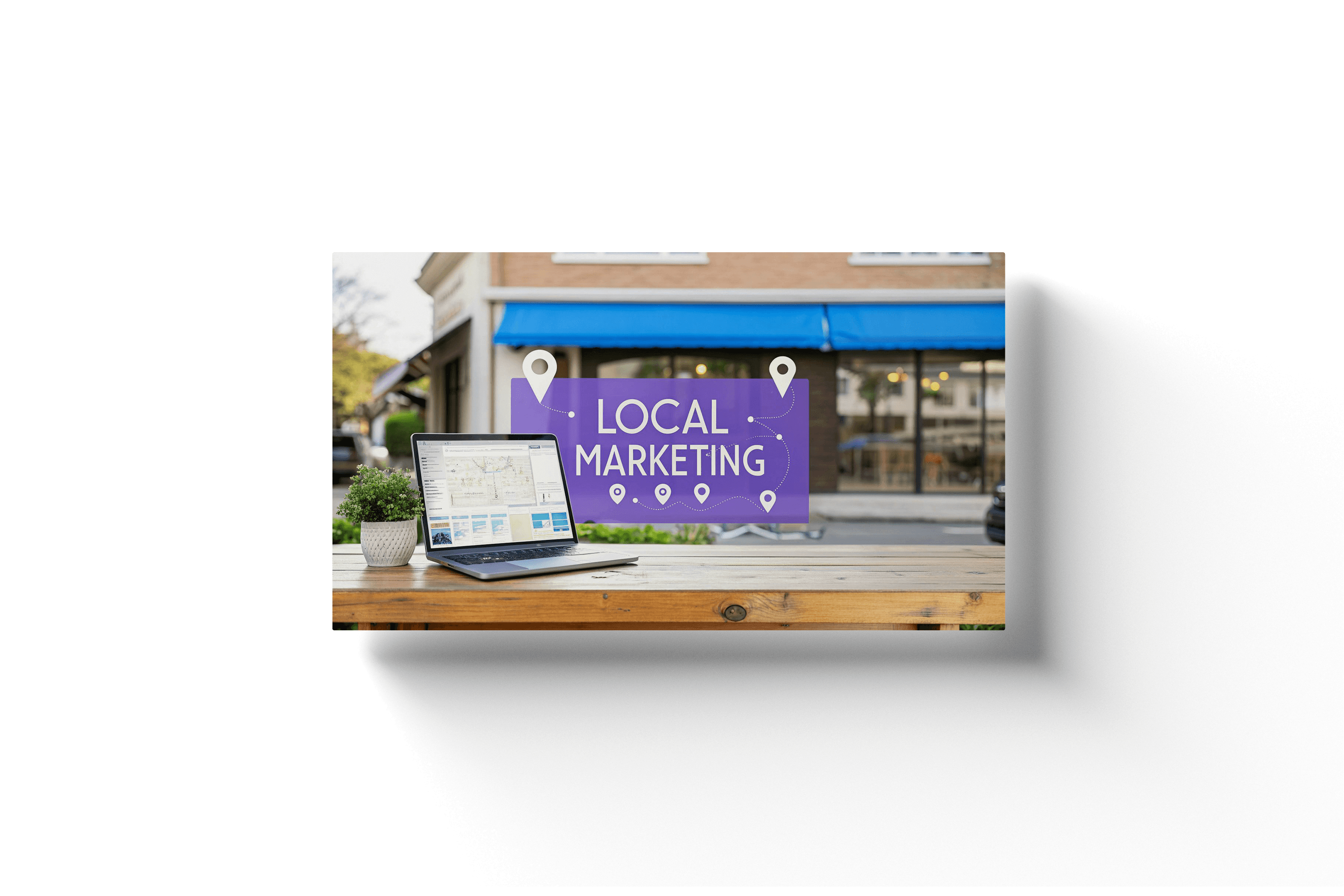
A Practical Guide to Digital Marketing for Local Businesses
2025
A Practical Guide to Digital Marketing for Local Businesses
2025
A Practical Guide to Digital Marketing for Local Businesses
Frequently
Frequently
Asked Questions
Questions
Asked QuestionS
What services do you offer as a branding agency?
What industries do you specialize in?
How Does Pricing Work?
Can you provide examples of your previous work?
How do you approach Client branding projects?
What's the best way to learn more or work together?
What services do you offer as a branding agency?
What industries do you specialize in?
How Does Pricing Work?
Can you provide examples of your previous work?
How do you approach Client branding projects?
What's the best way to learn more or work together?
What services do you offer as a branding agency?
What industries do you specialize in?
How Does Pricing Work?
Can you provide examples of your previous work?
How do you approach Client branding projects?
What's the best way to learn more or work together?
FREE AUDIT?