
📢 CONTACT US FOR A FREE AUDIT, CONSULTATION, OR BRAND ANALYSIS. WE WANT TO HELP HOWEVER WE CAN 🏁 BUILD YOUR BRAND, SELL THE WOW FACTOR, AND LET US DO THE THINKING AHEAD 🧠
📢 CONTACT US FOR A FREE AUDIT, CONSULTATION, OR BRAND ANALYSIS. WE WANT TO HELP HOWEVER WE CAN 🏁 BUILD YOUR BRAND, SELL THE WOW FACTOR, AND LET US DO THE THINKING AHEAD 🧠
📢 CONTACT US FOR A FREE AUDIT, CONSULTATION, OR BRAND ANALYSIS. WE WANT TO HELP HOWEVER WE CAN 🏁 BUILD YOUR BRAND, SELL THE WOW FACTOR, AND LET US DO THE THINKING AHEAD 🧠
Your Guide to Website Design Pricing Packages
Your Guide to Website Design Pricing Packages
Websites
Pricing
Guide
Explainer

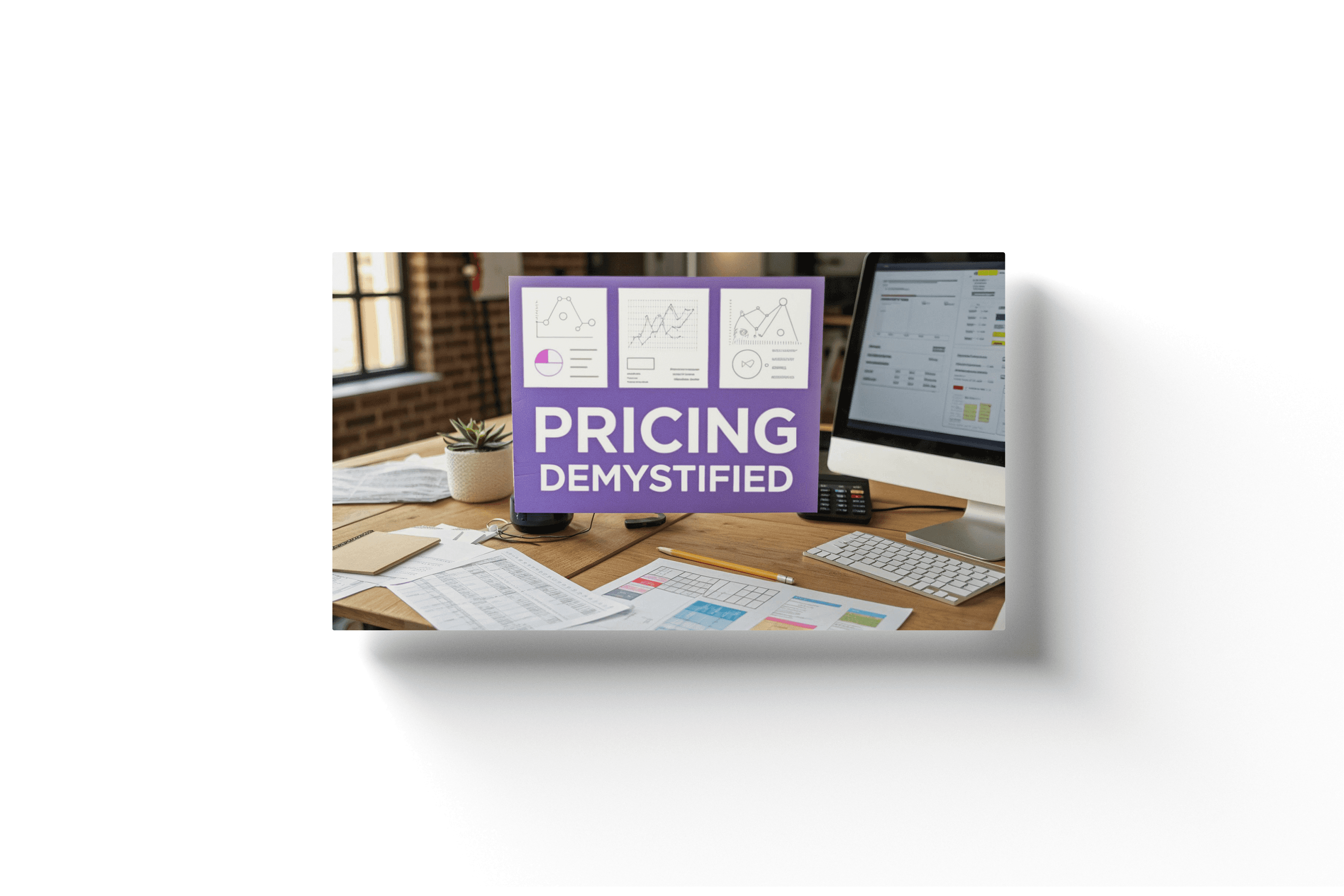
Shopping for a new website can feel like navigating a maze, with prices ranging from a few thousand dollars to upwards of $20,000 for a completely custom build. The final cost boils down to how an agency structures its pricing. Understanding these models is the first actionable step toward making a smart investment. Some charge by the hour, others quote a flat project fee, and many offer bundled website design pricing packages—each with its own benefits for your business.
Decoding Different Website Pricing Models
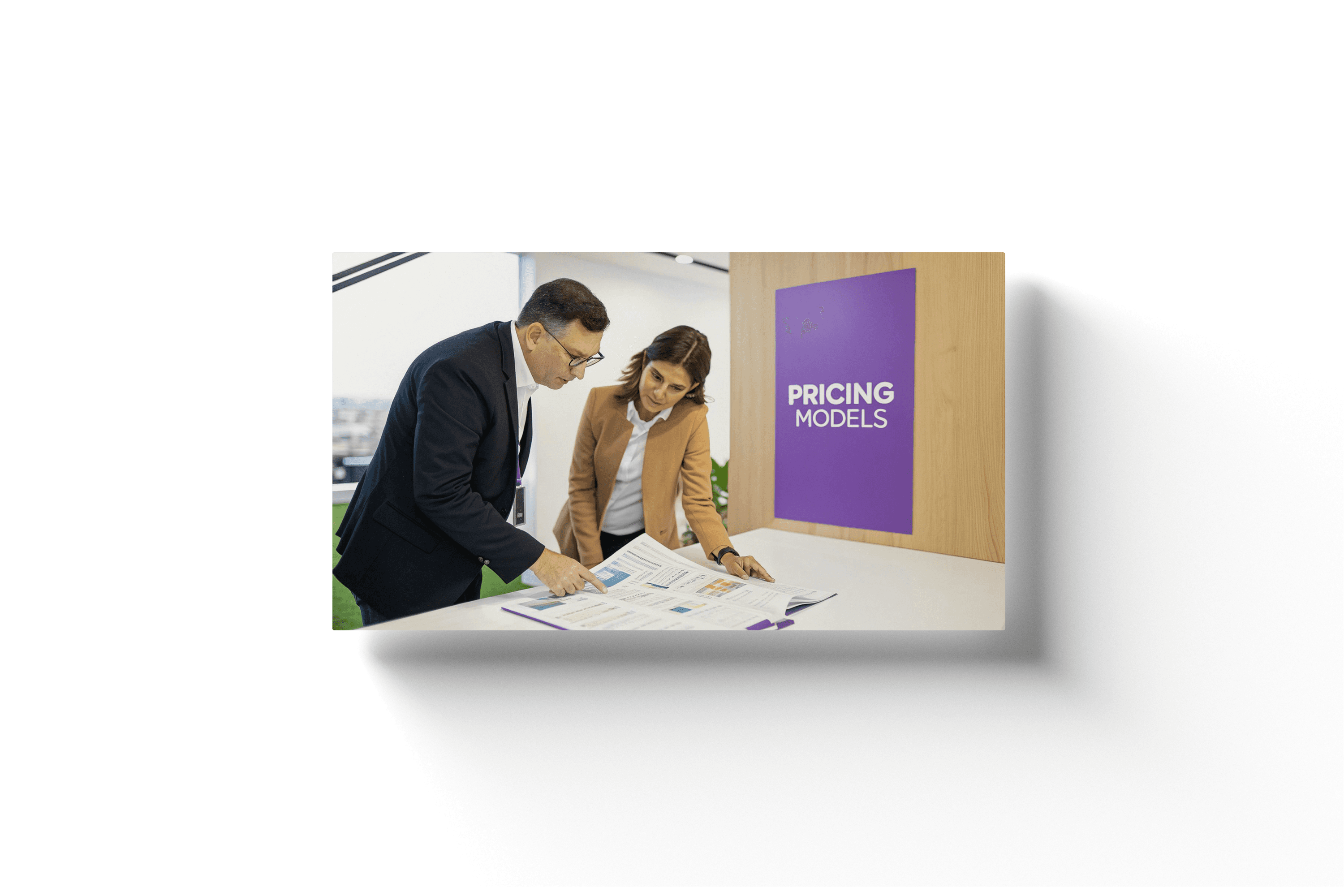
Before you can compare proposals, you need to understand how agencies calculate their fees. It's like hiring a contractor for a home renovation: you could pay them by the hour, agree on a fixed price for the entire job, or choose a pre-set package. Web design operates on the same principles.
Getting familiar with these pricing structures helps you find a plan that fits your project goals and budget, ensuring there are no surprises when the final invoice arrives.
Hourly Rates for Ongoing Work
The most straightforward model is an hourly rate. You pay for the actual time designers and developers spend on your project. These rates can vary significantly based on experience and location, but US-based designers typically charge between $90 to $120 per hour.
This approach offers flexibility, which is ideal for ongoing site maintenance, small updates, or projects where the scope isn't fully defined. The risk, however, is for businesses on a strict budget. Without a fixed cap, costs can escalate. To mitigate this, it's best to reserve hourly billing for smaller, well-defined tasks rather than a complete website build.
Project-Based Fixed Fees
A more common approach is the project-based, or fixed-fee, model. Here, an agency provides a single, all-inclusive price for the entire project based on a detailed scope of work. This offers invaluable peace of mind for most business owners, as you know the exact cost from day one.
A fixed fee protects you from unexpected costs and forces both you and the agency to clearly define all project requirements upfront. This clarity is crucial for a successful outcome and is a hallmark of a professional brand identity agency.
This model requires a thorough discovery phase to map out every detail, from page count to specific features. Any request outside the original agreement—a phenomenon known as "scope creep"—will almost certainly require a separate quote. If you're looking for a partner to help define this scope, the team at Nextus excels at creating clear project roadmaps. For a deeper dive, explore our guide on the 7 stages of website development explained.
Predictable Package Deals
Finally, many agencies—including Nextus—offer tiered website design pricing packages. These are pre-built bundles of services at a set price, typically designed for different business stages like startups, growing companies, or established enterprises. Packages provide a perfect balance of clarity and value, making it easy to see what you get for your investment.
This approach eliminates guesswork. For businesses seeking Web Design Naples FL, and beyond, it creates a clear path to a professional website without the uncertainty of hourly rates. It’s often the most transparent and efficient way to start your project.
What Really Determines Your Website's Cost
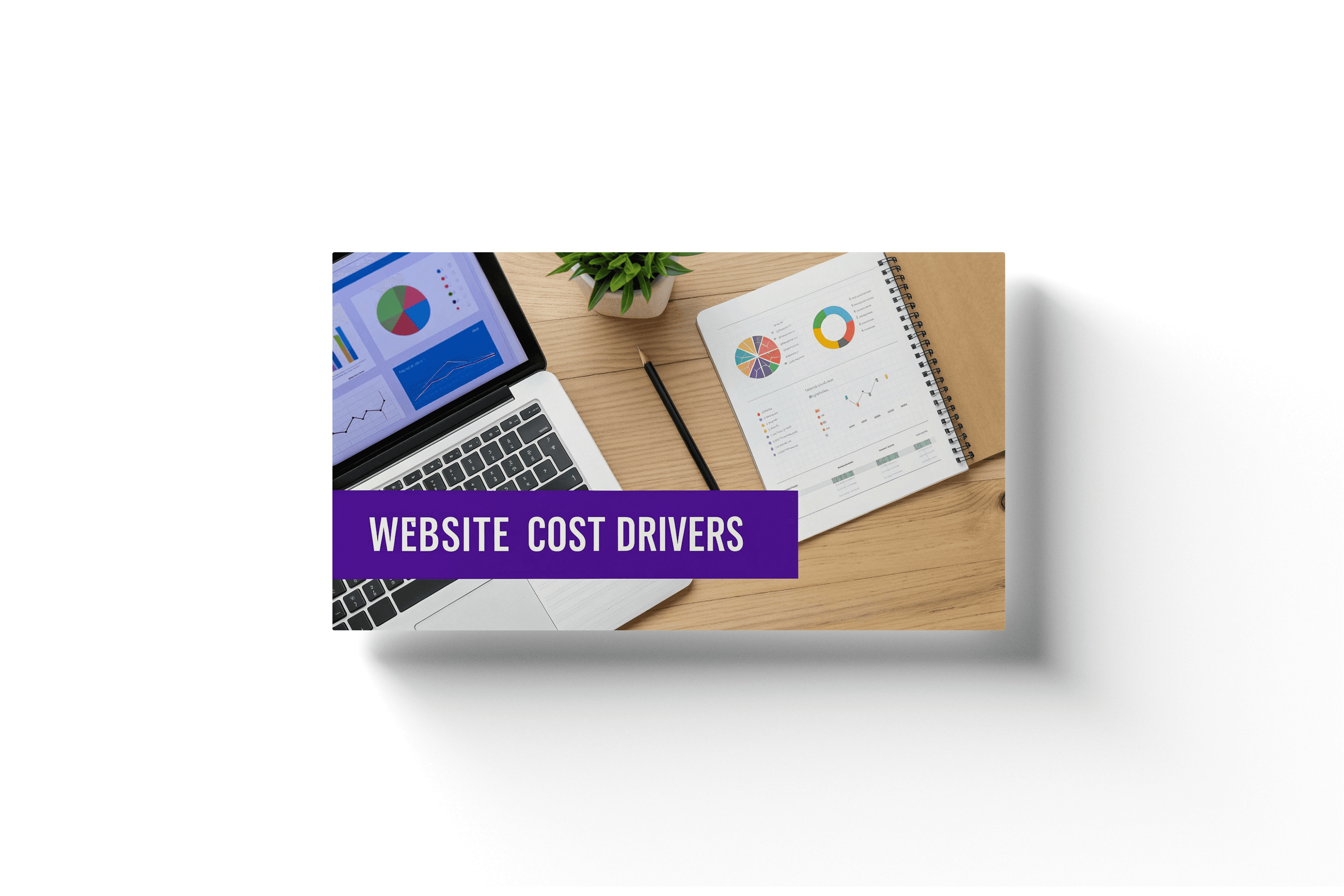
Why does one website quote come in at $2,000 while another is $20,000? The price tag isn't arbitrary; it’s a direct reflection of the work, complexity, and specialized skills required to build your digital presence.
Understanding these cost drivers is an actionable insight for any business owner. It helps you prioritize essential features over "nice-to-haves," ensuring your project delivers a strong return on investment. Let's break down what truly influences the cost of a website.
The Foundation: Scale and Complexity
The most direct cost driver is the size of the website. A lean, five-page "brochure" site—think homepage, about, services, blog, and contact—will naturally cost less than a fifty-page corporate site with extensive resource libraries. More pages mean more hours for design, development, and content creation.
Complexity is the other critical factor. This refers to the intricacy of the features you need. A simple contact form is straightforward. A custom client portal with secure logins and file sharing, however, is a complex feature requiring significant development time. Think of it like building a house: a small, one-story home is far less expensive than a multi-level mansion with a smart home system.
Custom Design vs. Template-Based Approaches
Another major decision is choosing between a pre-built template and a fully custom design. A template provides a ready-made framework, offering a budget-friendly way to get a professional-looking site online quickly. The compromise is that you're often constrained by the template’s structure.
A custom design, however, is crafted from scratch exclusively for your brand. This is where a top-tier brand identity agency truly excels. Every element is designed to align with your identity, creating a unique user experience that scales with your business. The initial investment is higher, but the result is a powerful digital asset that sets you apart. To see how these pieces come together, you can explore the detailed steps of website development in our guide.
Advanced Features and Integrations
This is where the budget can expand significantly. Advanced features actively perform tasks for your business, turning your website into a powerful tool.
Every feature request adds to the project's scope. A significant factor often impacting your website's final cost is scope creep; understanding effective strategies to avoid scope creep can keep your project on budget and on schedule.
Here are a few common examples that add complexity and cost:
First, there's E-commerce Functionality. Selling online requires product pages, a shopping cart, secure payment gateway integrations, and inventory management.
Second, AI Automations are a game-changer. Using tools like n8n to automate workflows—such as automatically adding a form submission to your CRM and notifying your sales team—can save hundreds of hours but requires expert setup. Nextus specializes in integrating these powerful automations to boost small business efficiency.
Third, Custom Databases are necessary if your site needs to manage unique data, like real estate listings or a membership directory. This requires a custom database and a tailored user interface.
Partnering with an experienced web design agency in Naples, FL, ensures these cost drivers are clearly explained from the start, helping you build a powerful website that fits your budget.
A Look Inside Typical Web Design Packages
When you receive proposals, you'll likely see services broken down into tiered website design pricing packages. A reputable brand identity agency uses this structure not to limit you, but to provide a clear roadmap that aligns with your current business stage—whether you're just starting out or preparing to scale.
These tiers are strategically designed to match specific business goals. Understanding what's included in a starter, mid-level, and high-end package will help you invest your money where it will have the most impact.
The Foundation Package For Startups
This entry-level package, often called "Foundation" or "Starter," is designed for new businesses and solopreneurs who need a professional online presence without a large initial investment. It serves as your digital business card, establishing credibility and providing essential information to potential customers.
This package typically includes a custom-designed, mobile-friendly website with key pages: a homepage, about us, services, and a contact page. It should also cover foundational on-page SEO to ensure Google can find you. While it won't have all the advanced features, it provides a solid base you can build upon.
The Growth Package For Established Businesses
The "Growth" or "Business" package is often the most popular choice for established small to mid-sized businesses. These companies need a website that actively generates leads and supports their marketing efforts. This tier transforms your website from a simple brochure into a 24/7 sales and marketing engine.
Here, the page count typically increases to 10-15 pages, allowing for detailed service pages and a blog for content marketing. You'll also find features like advanced SEO, basic e-commerce functionality, and integrations with marketing tools like your CRM. For businesses in a competitive market, like those seeking Web Design Naples FL, this package provides the tools needed to stand out.
A well-structured Growth package does more than just look good; it's a strategic asset designed to convert visitors into customers. It bridges the gap between a basic online presence and a high-performance marketing platform.
The Enterprise Package For Scalability
At the top tier is the "Enterprise" or "Scale" package, designed for larger businesses with complex needs. This involves truly custom solutions, from large-scale e-commerce stores to platforms with private user portals or sophisticated AI automations built with tools like n8n.
These projects focus on custom development, deep integrations with other business systems, and maximizing performance and security. A brand identity agency like Nextus would begin a project of this scale with an in-depth discovery phase to map out every user journey and technical requirement. The result isn't just a website; it’s a core component of your business infrastructure.
Industry benchmarks show that most standard web design projects fall between $2,500 and $9,999. This price range typically includes powerful features like custom design, SEO, and basic e-commerce. You can find more details in these small business web design package insights. This trend helps businesses invest confidently, knowing what they’re getting for their growth stage.
To provide a clearer picture, here's a side-by-side comparison.
Comparison of Standard Web Design Packages
This table outlines the typical features, target audience, and price ranges for Foundation, Growth, and Enterprise level websites, helping you quickly identify the key differences.
Feature | Foundation Package | Growth Package | Enterprise Package |
|---|---|---|---|
Target Audience | Startups, Solopreneurs | Established SMBs | Large Businesses, Corporations |
Page Count | 5-7 Pages | 10-20 Pages | 25+ Pages (Custom) |
Design | Premium Template or Semi-Custom | Fully Custom Design | Bespoke UI/UX Design |
SEO | Foundational On-Page SEO | Advanced SEO & Content Strategy | Comprehensive SEO & Analytics |
E-commerce | Not Included or Basic Add-on | Standard E-commerce Functionality | Advanced E-commerce & Integrations |
Integrations | Basic (Contact Forms, Socials) | CRM & Marketing Automation | Custom API & System Integrations |
Each tier is designed to provide the right tools at the right time. The actionable insight here is to assess where your business is today and where you want it to be in the next few years to select the most suitable package.
Shopping for a new website can feel like navigating a maze, with prices ranging from a few thousand dollars to upwards of $20,000 for a completely custom build. The final cost boils down to how an agency structures its pricing. Understanding these models is the first actionable step toward making a smart investment. Some charge by the hour, others quote a flat project fee, and many offer bundled website design pricing packages—each with its own benefits for your business.
Decoding Different Website Pricing Models
Before you can compare proposals, you need to understand how agencies calculate their fees. It's like hiring a contractor for a home renovation: you could pay them by the hour, agree on a fixed price for the entire job, or choose a pre-set package. Web design operates on the same principles.
Getting familiar with these pricing structures helps you find a plan that fits your project goals and budget, ensuring there are no surprises when the final invoice arrives.
Hourly Rates for Ongoing Work
The most straightforward model is an hourly rate. You pay for the actual time designers and developers spend on your project. These rates can vary significantly based on experience and location, but US-based designers typically charge between $90 to $120 per hour.
This approach offers flexibility, which is ideal for ongoing site maintenance, small updates, or projects where the scope isn't fully defined. The risk, however, is for businesses on a strict budget. Without a fixed cap, costs can escalate. To mitigate this, it's best to reserve hourly billing for smaller, well-defined tasks rather than a complete website build.
Project-Based Fixed Fees
A more common approach is the project-based, or fixed-fee, model. Here, an agency provides a single, all-inclusive price for the entire project based on a detailed scope of work. This offers invaluable peace of mind for most business owners, as you know the exact cost from day one.
A fixed fee protects you from unexpected costs and forces both you and the agency to clearly define all project requirements upfront. This clarity is crucial for a successful outcome and is a hallmark of a professional brand identity agency.
This model requires a thorough discovery phase to map out every detail, from page count to specific features. Any request outside the original agreement—a phenomenon known as "scope creep"—will almost certainly require a separate quote. If you're looking for a partner to help define this scope, the team at Nextus excels at creating clear project roadmaps. For a deeper dive, explore our guide on the 7 stages of website development explained.
Predictable Package Deals
Finally, many agencies—including Nextus—offer tiered website design pricing packages. These are pre-built bundles of services at a set price, typically designed for different business stages like startups, growing companies, or established enterprises. Packages provide a perfect balance of clarity and value, making it easy to see what you get for your investment.
This approach eliminates guesswork. For businesses seeking Web Design Naples FL, and beyond, it creates a clear path to a professional website without the uncertainty of hourly rates. It’s often the most transparent and efficient way to start your project.
What Really Determines Your Website's Cost
Why does one website quote come in at $2,000 while another is $20,000? The price tag isn't arbitrary; it’s a direct reflection of the work, complexity, and specialized skills required to build your digital presence.
Understanding these cost drivers is an actionable insight for any business owner. It helps you prioritize essential features over "nice-to-haves," ensuring your project delivers a strong return on investment. Let's break down what truly influences the cost of a website.
The Foundation: Scale and Complexity
The most direct cost driver is the size of the website. A lean, five-page "brochure" site—think homepage, about, services, blog, and contact—will naturally cost less than a fifty-page corporate site with extensive resource libraries. More pages mean more hours for design, development, and content creation.
Complexity is the other critical factor. This refers to the intricacy of the features you need. A simple contact form is straightforward. A custom client portal with secure logins and file sharing, however, is a complex feature requiring significant development time. Think of it like building a house: a small, one-story home is far less expensive than a multi-level mansion with a smart home system.
Custom Design vs. Template-Based Approaches
Another major decision is choosing between a pre-built template and a fully custom design. A template provides a ready-made framework, offering a budget-friendly way to get a professional-looking site online quickly. The compromise is that you're often constrained by the template’s structure.
A custom design, however, is crafted from scratch exclusively for your brand. This is where a top-tier brand identity agency truly excels. Every element is designed to align with your identity, creating a unique user experience that scales with your business. The initial investment is higher, but the result is a powerful digital asset that sets you apart. To see how these pieces come together, you can explore the detailed steps of website development in our guide.
Advanced Features and Integrations
This is where the budget can expand significantly. Advanced features actively perform tasks for your business, turning your website into a powerful tool.
Every feature request adds to the project's scope. A significant factor often impacting your website's final cost is scope creep; understanding effective strategies to avoid scope creep can keep your project on budget and on schedule.
Here are a few common examples that add complexity and cost:
First, there's E-commerce Functionality. Selling online requires product pages, a shopping cart, secure payment gateway integrations, and inventory management.
Second, AI Automations are a game-changer. Using tools like n8n to automate workflows—such as automatically adding a form submission to your CRM and notifying your sales team—can save hundreds of hours but requires expert setup. Nextus specializes in integrating these powerful automations to boost small business efficiency.
Third, Custom Databases are necessary if your site needs to manage unique data, like real estate listings or a membership directory. This requires a custom database and a tailored user interface.
Partnering with an experienced web design agency in Naples, FL, ensures these cost drivers are clearly explained from the start, helping you build a powerful website that fits your budget.
A Look Inside Typical Web Design Packages
When you receive proposals, you'll likely see services broken down into tiered website design pricing packages. A reputable brand identity agency uses this structure not to limit you, but to provide a clear roadmap that aligns with your current business stage—whether you're just starting out or preparing to scale.
These tiers are strategically designed to match specific business goals. Understanding what's included in a starter, mid-level, and high-end package will help you invest your money where it will have the most impact.
The Foundation Package For Startups
This entry-level package, often called "Foundation" or "Starter," is designed for new businesses and solopreneurs who need a professional online presence without a large initial investment. It serves as your digital business card, establishing credibility and providing essential information to potential customers.
This package typically includes a custom-designed, mobile-friendly website with key pages: a homepage, about us, services, and a contact page. It should also cover foundational on-page SEO to ensure Google can find you. While it won't have all the advanced features, it provides a solid base you can build upon.
The Growth Package For Established Businesses
The "Growth" or "Business" package is often the most popular choice for established small to mid-sized businesses. These companies need a website that actively generates leads and supports their marketing efforts. This tier transforms your website from a simple brochure into a 24/7 sales and marketing engine.
Here, the page count typically increases to 10-15 pages, allowing for detailed service pages and a blog for content marketing. You'll also find features like advanced SEO, basic e-commerce functionality, and integrations with marketing tools like your CRM. For businesses in a competitive market, like those seeking Web Design Naples FL, this package provides the tools needed to stand out.
A well-structured Growth package does more than just look good; it's a strategic asset designed to convert visitors into customers. It bridges the gap between a basic online presence and a high-performance marketing platform.
The Enterprise Package For Scalability
At the top tier is the "Enterprise" or "Scale" package, designed for larger businesses with complex needs. This involves truly custom solutions, from large-scale e-commerce stores to platforms with private user portals or sophisticated AI automations built with tools like n8n.
These projects focus on custom development, deep integrations with other business systems, and maximizing performance and security. A brand identity agency like Nextus would begin a project of this scale with an in-depth discovery phase to map out every user journey and technical requirement. The result isn't just a website; it’s a core component of your business infrastructure.
Industry benchmarks show that most standard web design projects fall between $2,500 and $9,999. This price range typically includes powerful features like custom design, SEO, and basic e-commerce. You can find more details in these small business web design package insights. This trend helps businesses invest confidently, knowing what they’re getting for their growth stage.
To provide a clearer picture, here's a side-by-side comparison.
Comparison of Standard Web Design Packages
This table outlines the typical features, target audience, and price ranges for Foundation, Growth, and Enterprise level websites, helping you quickly identify the key differences.
Feature | Foundation Package | Growth Package | Enterprise Package |
|---|---|---|---|
Target Audience | Startups, Solopreneurs | Established SMBs | Large Businesses, Corporations |
Page Count | 5-7 Pages | 10-20 Pages | 25+ Pages (Custom) |
Design | Premium Template or Semi-Custom | Fully Custom Design | Bespoke UI/UX Design |
SEO | Foundational On-Page SEO | Advanced SEO & Content Strategy | Comprehensive SEO & Analytics |
E-commerce | Not Included or Basic Add-on | Standard E-commerce Functionality | Advanced E-commerce & Integrations |
Integrations | Basic (Contact Forms, Socials) | CRM & Marketing Automation | Custom API & System Integrations |
Each tier is designed to provide the right tools at the right time. The actionable insight here is to assess where your business is today and where you want it to be in the next few years to select the most suitable package.
Shopping for a new website can feel like navigating a maze, with prices ranging from a few thousand dollars to upwards of $20,000 for a completely custom build. The final cost boils down to how an agency structures its pricing. Understanding these models is the first actionable step toward making a smart investment. Some charge by the hour, others quote a flat project fee, and many offer bundled website design pricing packages—each with its own benefits for your business.
Decoding Different Website Pricing Models
Before you can compare proposals, you need to understand how agencies calculate their fees. It's like hiring a contractor for a home renovation: you could pay them by the hour, agree on a fixed price for the entire job, or choose a pre-set package. Web design operates on the same principles.
Getting familiar with these pricing structures helps you find a plan that fits your project goals and budget, ensuring there are no surprises when the final invoice arrives.
Hourly Rates for Ongoing Work
The most straightforward model is an hourly rate. You pay for the actual time designers and developers spend on your project. These rates can vary significantly based on experience and location, but US-based designers typically charge between $90 to $120 per hour.
This approach offers flexibility, which is ideal for ongoing site maintenance, small updates, or projects where the scope isn't fully defined. The risk, however, is for businesses on a strict budget. Without a fixed cap, costs can escalate. To mitigate this, it's best to reserve hourly billing for smaller, well-defined tasks rather than a complete website build.
Project-Based Fixed Fees
A more common approach is the project-based, or fixed-fee, model. Here, an agency provides a single, all-inclusive price for the entire project based on a detailed scope of work. This offers invaluable peace of mind for most business owners, as you know the exact cost from day one.
A fixed fee protects you from unexpected costs and forces both you and the agency to clearly define all project requirements upfront. This clarity is crucial for a successful outcome and is a hallmark of a professional brand identity agency.
This model requires a thorough discovery phase to map out every detail, from page count to specific features. Any request outside the original agreement—a phenomenon known as "scope creep"—will almost certainly require a separate quote. If you're looking for a partner to help define this scope, the team at Nextus excels at creating clear project roadmaps. For a deeper dive, explore our guide on the 7 stages of website development explained.
Predictable Package Deals
Finally, many agencies—including Nextus—offer tiered website design pricing packages. These are pre-built bundles of services at a set price, typically designed for different business stages like startups, growing companies, or established enterprises. Packages provide a perfect balance of clarity and value, making it easy to see what you get for your investment.
This approach eliminates guesswork. For businesses seeking Web Design Naples FL, and beyond, it creates a clear path to a professional website without the uncertainty of hourly rates. It’s often the most transparent and efficient way to start your project.
What Really Determines Your Website's Cost
Why does one website quote come in at $2,000 while another is $20,000? The price tag isn't arbitrary; it’s a direct reflection of the work, complexity, and specialized skills required to build your digital presence.
Understanding these cost drivers is an actionable insight for any business owner. It helps you prioritize essential features over "nice-to-haves," ensuring your project delivers a strong return on investment. Let's break down what truly influences the cost of a website.
The Foundation: Scale and Complexity
The most direct cost driver is the size of the website. A lean, five-page "brochure" site—think homepage, about, services, blog, and contact—will naturally cost less than a fifty-page corporate site with extensive resource libraries. More pages mean more hours for design, development, and content creation.
Complexity is the other critical factor. This refers to the intricacy of the features you need. A simple contact form is straightforward. A custom client portal with secure logins and file sharing, however, is a complex feature requiring significant development time. Think of it like building a house: a small, one-story home is far less expensive than a multi-level mansion with a smart home system.
Custom Design vs. Template-Based Approaches
Another major decision is choosing between a pre-built template and a fully custom design. A template provides a ready-made framework, offering a budget-friendly way to get a professional-looking site online quickly. The compromise is that you're often constrained by the template’s structure.
A custom design, however, is crafted from scratch exclusively for your brand. This is where a top-tier brand identity agency truly excels. Every element is designed to align with your identity, creating a unique user experience that scales with your business. The initial investment is higher, but the result is a powerful digital asset that sets you apart. To see how these pieces come together, you can explore the detailed steps of website development in our guide.
Advanced Features and Integrations
This is where the budget can expand significantly. Advanced features actively perform tasks for your business, turning your website into a powerful tool.
Every feature request adds to the project's scope. A significant factor often impacting your website's final cost is scope creep; understanding effective strategies to avoid scope creep can keep your project on budget and on schedule.
Here are a few common examples that add complexity and cost:
First, there's E-commerce Functionality. Selling online requires product pages, a shopping cart, secure payment gateway integrations, and inventory management.
Second, AI Automations are a game-changer. Using tools like n8n to automate workflows—such as automatically adding a form submission to your CRM and notifying your sales team—can save hundreds of hours but requires expert setup. Nextus specializes in integrating these powerful automations to boost small business efficiency.
Third, Custom Databases are necessary if your site needs to manage unique data, like real estate listings or a membership directory. This requires a custom database and a tailored user interface.
Partnering with an experienced web design agency in Naples, FL, ensures these cost drivers are clearly explained from the start, helping you build a powerful website that fits your budget.
A Look Inside Typical Web Design Packages
When you receive proposals, you'll likely see services broken down into tiered website design pricing packages. A reputable brand identity agency uses this structure not to limit you, but to provide a clear roadmap that aligns with your current business stage—whether you're just starting out or preparing to scale.
These tiers are strategically designed to match specific business goals. Understanding what's included in a starter, mid-level, and high-end package will help you invest your money where it will have the most impact.
The Foundation Package For Startups
This entry-level package, often called "Foundation" or "Starter," is designed for new businesses and solopreneurs who need a professional online presence without a large initial investment. It serves as your digital business card, establishing credibility and providing essential information to potential customers.
This package typically includes a custom-designed, mobile-friendly website with key pages: a homepage, about us, services, and a contact page. It should also cover foundational on-page SEO to ensure Google can find you. While it won't have all the advanced features, it provides a solid base you can build upon.
The Growth Package For Established Businesses
The "Growth" or "Business" package is often the most popular choice for established small to mid-sized businesses. These companies need a website that actively generates leads and supports their marketing efforts. This tier transforms your website from a simple brochure into a 24/7 sales and marketing engine.
Here, the page count typically increases to 10-15 pages, allowing for detailed service pages and a blog for content marketing. You'll also find features like advanced SEO, basic e-commerce functionality, and integrations with marketing tools like your CRM. For businesses in a competitive market, like those seeking Web Design Naples FL, this package provides the tools needed to stand out.
A well-structured Growth package does more than just look good; it's a strategic asset designed to convert visitors into customers. It bridges the gap between a basic online presence and a high-performance marketing platform.
The Enterprise Package For Scalability
At the top tier is the "Enterprise" or "Scale" package, designed for larger businesses with complex needs. This involves truly custom solutions, from large-scale e-commerce stores to platforms with private user portals or sophisticated AI automations built with tools like n8n.
These projects focus on custom development, deep integrations with other business systems, and maximizing performance and security. A brand identity agency like Nextus would begin a project of this scale with an in-depth discovery phase to map out every user journey and technical requirement. The result isn't just a website; it’s a core component of your business infrastructure.
Industry benchmarks show that most standard web design projects fall between $2,500 and $9,999. This price range typically includes powerful features like custom design, SEO, and basic e-commerce. You can find more details in these small business web design package insights. This trend helps businesses invest confidently, knowing what they’re getting for their growth stage.
To provide a clearer picture, here's a side-by-side comparison.
Comparison of Standard Web Design Packages
This table outlines the typical features, target audience, and price ranges for Foundation, Growth, and Enterprise level websites, helping you quickly identify the key differences.
Feature | Foundation Package | Growth Package | Enterprise Package |
|---|---|---|---|
Target Audience | Startups, Solopreneurs | Established SMBs | Large Businesses, Corporations |
Page Count | 5-7 Pages | 10-20 Pages | 25+ Pages (Custom) |
Design | Premium Template or Semi-Custom | Fully Custom Design | Bespoke UI/UX Design |
SEO | Foundational On-Page SEO | Advanced SEO & Content Strategy | Comprehensive SEO & Analytics |
E-commerce | Not Included or Basic Add-on | Standard E-commerce Functionality | Advanced E-commerce & Integrations |
Integrations | Basic (Contact Forms, Socials) | CRM & Marketing Automation | Custom API & System Integrations |
Each tier is designed to provide the right tools at the right time. The actionable insight here is to assess where your business is today and where you want it to be in the next few years to select the most suitable package.
Choosing Between Template and Custom Design
One of the most significant decisions impacting your final cost is whether to use a pre-made template or invest in a completely custom design. This choice affects your brand's future, its scalability, and its ability to stand out online.
For new businesses on a tight deadline, a template-based package is an excellent way to launch a professional site quickly. Think of it as a new construction home: the floor plan is proven, and you can move in quickly. It gets you online fast with a user-friendly design.
A custom design, however, is like hiring an architect to build your dream home. This is the specialty of a premier brand identity agency, as it involves creating a digital experience that perfectly reflects your brand's story. Every element is intentionally designed to connect with your audience, providing a significant competitive advantage.
The Speed and Affordability of Templates
Templates are pre-designed layouts that can be personalized with your brand’s colors, fonts, and content. Their main advantage is efficiency. Since the heavy lifting of coding and design is already done, the process is faster and less expensive.
Modern template-based website design pricing packages are very accessible. Packages can range from $300 to $2,000 for brand styling on a proven layout with basic SEO. For businesses needing more, semi-custom packages from $2,000 to $7,500 offer brand-matched designs and lead capture tools. It's no surprise that over 80% of web designers now offer package-based pricing. You can learn more about the latest trends in web design pricing to see how they benefit small businesses.
The Power of a Fully Custom Build
While templates are practical, a custom design offers unparalleled long-term value. A custom build isn't just about aesthetics; it's about superior functionality. The user experience (UX) is tailored specifically to your customer's journey, which can dramatically improve conversion rates.
This approach also ensures your site can grow with you. You aren't constrained by a template’s limitations. Need to add complex features or sophisticated automations with tools like n8n? A custom build can handle it seamlessly. For a brand aiming for market leadership, a custom website is a strategic investment, not an expense.
A template might be perfect for the "Foundation" stage. However, for businesses aiming for "Growth" and "Enterprise" levels, custom solutions are essential. Ultimately, the best choice aligns with your current resources and future vision. If you're unsure which path is right, the team at Nextus can help you map out your goals and find the most effective strategy.
How to Evaluate Proposals and Choose the Right Agency
You’ve sent out your brief, and proposals are arriving. Each offers a different take on website design pricing packages. Now, you must shift from planning to selecting a partner—a decision as critical as the price tag itself.
It’s tempting to choose the lowest bid, but this is often a mistake. A good proposal is more than a price list; it's a window into an agency's expertise and whether they truly understand your business goals. Your task is to analyze these documents to find a true partner.
Looking Beyond the Price Tag
The cheapest option is rarely the best. A suspiciously low bid is a red flag, often indicating a misunderstanding of the scope, reliance on a generic template, or a lack of experience.
A quality proposal from a professional brand identity agency will be detailed, transparent, and focused on the value it delivers.
Start by comparing what’s included. Does one agency include comprehensive on-page SEO while another lists it as an add-on? Do they outline their project management process? These details distinguish a strategic partner from a simple vendor.
A strong proposal should feel like the beginning of a conversation. It shows the agency listened to your needs and is laying out a clear, strategic plan to meet them—not just handing you a one-size-fits-all quote.
For additional guidance on vetting partners, this founder's framework for choosing an agency offers valuable insights that apply well beyond web design.
Critical Questions to Ask Potential Partners
Before signing a contract, schedule a call. This is your chance to clarify any ambiguities in the proposal and get a feel for the team. Any reputable web design agency in Naples, FL, will welcome your questions.
Here are a few essential questions to ask:
First, ask about their project management. How do you handle communication, and what tools do you use to keep projects on track?
Second, inquire about scope changes. What is your process for handling new ideas mid-project to avoid budget and timeline disruptions?
Third, understand their approach to SEO. What on-page SEO practices do you implement during the build to ensure the site is search-engine-ready?
Finally, request case studies. Can you show me similar projects and walk me through the results you achieved?
Properly vetting proposals is a crucial investment. For a more detailed checklist, our guide on how to choose a web design agency can help. By asking the right questions, you can find a partner who will build a foundation for your company's growth.
Common Questions About Website Design Pricing
Let's address the most common questions business owners have about website investment. Getting clear answers can turn uncertainty into a confident action plan.
How Much Should a Small Business Budget for a Website?
The answer depends on what you want the website to do.
While you might find basic "brochure" sites for around $2,000, a small business serious about generating leads should budget between $5,000 and $15,000. This investment gets you a professional, custom-designed site with the foundational SEO and features needed to support your marketing and drive business growth.
It’s tempting to seek the lowest price, but a cheap website often cuts corners on strategy and quality, meaning it won't deliver a return and will likely need to be rebuilt sooner.
The best way to approach this is to stop thinking about cost and start focusing on value. A great website isn't just an expense on a spreadsheet; it's a hard-working asset that should be generating revenue.
The actionable insight here is to ask yourself what a consistent stream of qualified new leads is worth to your business. Let that value guide your budget.
What Are the Ongoing Costs After Launch?
A website is not a one-time purchase. Like a car, it requires ongoing maintenance to perform well. Budgeting for these recurring costs is essential.
Here’s a breakdown of typical ongoing expenses:
First is your Domain Name, your website's address, which costs about $15-$25 per year.
Second is Web Hosting, the space where your website "lives." Quality hosting ensures your site is fast and secure, typically costing $10 to $50 per month.
Third, an SSL Certificate provides the "https" in your URL, encrypting data and building visitor trust.
Finally, a Website Maintenance Plan is the most critical ongoing investment. A good plan, like those offered by Nextus, handles software updates, security scans, performance checks, and backups, protecting your site from threats and ensuring it runs smoothly.
How Long Does Building a Website Take?
A realistic timeline is crucial. The schedule depends on the site's complexity and, just as importantly, on your responsiveness. Delays in client feedback are the most common cause of project extensions.
Here's a general guide:
A Simple Template-Based Site (5-7 pages) typically takes 1 to 4 weeks.
A Semi-Custom Growth Site (10-15 pages) requires about 4 to 8 weeks for deeper strategy and design.
A Fully Custom Enterprise Site with complex integrations often takes 3 months or more.
Clear and decisive communication is the key to meeting your launch date.
Do Web Design Packages Include SEO Services?
Yes, but it's important to understand the difference between foundational SEO and ongoing SEO. Jargon like this can be confusing, so let's clarify.
Nearly all professional website design pricing packages include foundational on-page SEO. This means building the site so search engines can easily understand it. It involves optimizing title tags, structuring content with proper headings, ensuring fast image loading, and creating a sitemap. Think of this as building a race car with a powerful engine—it's ready to perform but hasn't started the race yet.
Ongoing SEO is a separate marketing service. It's the continuous effort of creating content, building links, and analyzing performance to improve your rankings for valuable keywords. Your new site will be "search engine friendly," but you'll need a dedicated SEO strategy after launch to attract steady organic traffic. A professional brand identity agency like Nextus can help develop a plan that builds on the solid foundation we create.
Ready to invest in a website that doesn’t just look great, but actually grows your business? The team at Nextus Digital Solutions blends sharp strategy with top-tier creative to build digital experiences that deliver real results. Let's talk about your project today.
Choosing Between Template and Custom Design
One of the most significant decisions impacting your final cost is whether to use a pre-made template or invest in a completely custom design. This choice affects your brand's future, its scalability, and its ability to stand out online.
For new businesses on a tight deadline, a template-based package is an excellent way to launch a professional site quickly. Think of it as a new construction home: the floor plan is proven, and you can move in quickly. It gets you online fast with a user-friendly design.
A custom design, however, is like hiring an architect to build your dream home. This is the specialty of a premier brand identity agency, as it involves creating a digital experience that perfectly reflects your brand's story. Every element is intentionally designed to connect with your audience, providing a significant competitive advantage.
The Speed and Affordability of Templates
Templates are pre-designed layouts that can be personalized with your brand’s colors, fonts, and content. Their main advantage is efficiency. Since the heavy lifting of coding and design is already done, the process is faster and less expensive.
Modern template-based website design pricing packages are very accessible. Packages can range from $300 to $2,000 for brand styling on a proven layout with basic SEO. For businesses needing more, semi-custom packages from $2,000 to $7,500 offer brand-matched designs and lead capture tools. It's no surprise that over 80% of web designers now offer package-based pricing. You can learn more about the latest trends in web design pricing to see how they benefit small businesses.
The Power of a Fully Custom Build
While templates are practical, a custom design offers unparalleled long-term value. A custom build isn't just about aesthetics; it's about superior functionality. The user experience (UX) is tailored specifically to your customer's journey, which can dramatically improve conversion rates.
This approach also ensures your site can grow with you. You aren't constrained by a template’s limitations. Need to add complex features or sophisticated automations with tools like n8n? A custom build can handle it seamlessly. For a brand aiming for market leadership, a custom website is a strategic investment, not an expense.
A template might be perfect for the "Foundation" stage. However, for businesses aiming for "Growth" and "Enterprise" levels, custom solutions are essential. Ultimately, the best choice aligns with your current resources and future vision. If you're unsure which path is right, the team at Nextus can help you map out your goals and find the most effective strategy.
How to Evaluate Proposals and Choose the Right Agency
You’ve sent out your brief, and proposals are arriving. Each offers a different take on website design pricing packages. Now, you must shift from planning to selecting a partner—a decision as critical as the price tag itself.
It’s tempting to choose the lowest bid, but this is often a mistake. A good proposal is more than a price list; it's a window into an agency's expertise and whether they truly understand your business goals. Your task is to analyze these documents to find a true partner.
Looking Beyond the Price Tag
The cheapest option is rarely the best. A suspiciously low bid is a red flag, often indicating a misunderstanding of the scope, reliance on a generic template, or a lack of experience.
A quality proposal from a professional brand identity agency will be detailed, transparent, and focused on the value it delivers.
Start by comparing what’s included. Does one agency include comprehensive on-page SEO while another lists it as an add-on? Do they outline their project management process? These details distinguish a strategic partner from a simple vendor.
A strong proposal should feel like the beginning of a conversation. It shows the agency listened to your needs and is laying out a clear, strategic plan to meet them—not just handing you a one-size-fits-all quote.
For additional guidance on vetting partners, this founder's framework for choosing an agency offers valuable insights that apply well beyond web design.
Critical Questions to Ask Potential Partners
Before signing a contract, schedule a call. This is your chance to clarify any ambiguities in the proposal and get a feel for the team. Any reputable web design agency in Naples, FL, will welcome your questions.
Here are a few essential questions to ask:
First, ask about their project management. How do you handle communication, and what tools do you use to keep projects on track?
Second, inquire about scope changes. What is your process for handling new ideas mid-project to avoid budget and timeline disruptions?
Third, understand their approach to SEO. What on-page SEO practices do you implement during the build to ensure the site is search-engine-ready?
Finally, request case studies. Can you show me similar projects and walk me through the results you achieved?
Properly vetting proposals is a crucial investment. For a more detailed checklist, our guide on how to choose a web design agency can help. By asking the right questions, you can find a partner who will build a foundation for your company's growth.
Common Questions About Website Design Pricing
Let's address the most common questions business owners have about website investment. Getting clear answers can turn uncertainty into a confident action plan.
How Much Should a Small Business Budget for a Website?
The answer depends on what you want the website to do.
While you might find basic "brochure" sites for around $2,000, a small business serious about generating leads should budget between $5,000 and $15,000. This investment gets you a professional, custom-designed site with the foundational SEO and features needed to support your marketing and drive business growth.
It’s tempting to seek the lowest price, but a cheap website often cuts corners on strategy and quality, meaning it won't deliver a return and will likely need to be rebuilt sooner.
The best way to approach this is to stop thinking about cost and start focusing on value. A great website isn't just an expense on a spreadsheet; it's a hard-working asset that should be generating revenue.
The actionable insight here is to ask yourself what a consistent stream of qualified new leads is worth to your business. Let that value guide your budget.
What Are the Ongoing Costs After Launch?
A website is not a one-time purchase. Like a car, it requires ongoing maintenance to perform well. Budgeting for these recurring costs is essential.
Here’s a breakdown of typical ongoing expenses:
First is your Domain Name, your website's address, which costs about $15-$25 per year.
Second is Web Hosting, the space where your website "lives." Quality hosting ensures your site is fast and secure, typically costing $10 to $50 per month.
Third, an SSL Certificate provides the "https" in your URL, encrypting data and building visitor trust.
Finally, a Website Maintenance Plan is the most critical ongoing investment. A good plan, like those offered by Nextus, handles software updates, security scans, performance checks, and backups, protecting your site from threats and ensuring it runs smoothly.
How Long Does Building a Website Take?
A realistic timeline is crucial. The schedule depends on the site's complexity and, just as importantly, on your responsiveness. Delays in client feedback are the most common cause of project extensions.
Here's a general guide:
A Simple Template-Based Site (5-7 pages) typically takes 1 to 4 weeks.
A Semi-Custom Growth Site (10-15 pages) requires about 4 to 8 weeks for deeper strategy and design.
A Fully Custom Enterprise Site with complex integrations often takes 3 months or more.
Clear and decisive communication is the key to meeting your launch date.
Do Web Design Packages Include SEO Services?
Yes, but it's important to understand the difference between foundational SEO and ongoing SEO. Jargon like this can be confusing, so let's clarify.
Nearly all professional website design pricing packages include foundational on-page SEO. This means building the site so search engines can easily understand it. It involves optimizing title tags, structuring content with proper headings, ensuring fast image loading, and creating a sitemap. Think of this as building a race car with a powerful engine—it's ready to perform but hasn't started the race yet.
Ongoing SEO is a separate marketing service. It's the continuous effort of creating content, building links, and analyzing performance to improve your rankings for valuable keywords. Your new site will be "search engine friendly," but you'll need a dedicated SEO strategy after launch to attract steady organic traffic. A professional brand identity agency like Nextus can help develop a plan that builds on the solid foundation we create.
Ready to invest in a website that doesn’t just look great, but actually grows your business? The team at Nextus Digital Solutions blends sharp strategy with top-tier creative to build digital experiences that deliver real results. Let's talk about your project today.
Choosing Between Template and Custom Design
One of the most significant decisions impacting your final cost is whether to use a pre-made template or invest in a completely custom design. This choice affects your brand's future, its scalability, and its ability to stand out online.
For new businesses on a tight deadline, a template-based package is an excellent way to launch a professional site quickly. Think of it as a new construction home: the floor plan is proven, and you can move in quickly. It gets you online fast with a user-friendly design.
A custom design, however, is like hiring an architect to build your dream home. This is the specialty of a premier brand identity agency, as it involves creating a digital experience that perfectly reflects your brand's story. Every element is intentionally designed to connect with your audience, providing a significant competitive advantage.
The Speed and Affordability of Templates
Templates are pre-designed layouts that can be personalized with your brand’s colors, fonts, and content. Their main advantage is efficiency. Since the heavy lifting of coding and design is already done, the process is faster and less expensive.
Modern template-based website design pricing packages are very accessible. Packages can range from $300 to $2,000 for brand styling on a proven layout with basic SEO. For businesses needing more, semi-custom packages from $2,000 to $7,500 offer brand-matched designs and lead capture tools. It's no surprise that over 80% of web designers now offer package-based pricing. You can learn more about the latest trends in web design pricing to see how they benefit small businesses.
The Power of a Fully Custom Build
While templates are practical, a custom design offers unparalleled long-term value. A custom build isn't just about aesthetics; it's about superior functionality. The user experience (UX) is tailored specifically to your customer's journey, which can dramatically improve conversion rates.
This approach also ensures your site can grow with you. You aren't constrained by a template’s limitations. Need to add complex features or sophisticated automations with tools like n8n? A custom build can handle it seamlessly. For a brand aiming for market leadership, a custom website is a strategic investment, not an expense.
A template might be perfect for the "Foundation" stage. However, for businesses aiming for "Growth" and "Enterprise" levels, custom solutions are essential. Ultimately, the best choice aligns with your current resources and future vision. If you're unsure which path is right, the team at Nextus can help you map out your goals and find the most effective strategy.
How to Evaluate Proposals and Choose the Right Agency
You’ve sent out your brief, and proposals are arriving. Each offers a different take on website design pricing packages. Now, you must shift from planning to selecting a partner—a decision as critical as the price tag itself.
It’s tempting to choose the lowest bid, but this is often a mistake. A good proposal is more than a price list; it's a window into an agency's expertise and whether they truly understand your business goals. Your task is to analyze these documents to find a true partner.
Looking Beyond the Price Tag
The cheapest option is rarely the best. A suspiciously low bid is a red flag, often indicating a misunderstanding of the scope, reliance on a generic template, or a lack of experience.
A quality proposal from a professional brand identity agency will be detailed, transparent, and focused on the value it delivers.
Start by comparing what’s included. Does one agency include comprehensive on-page SEO while another lists it as an add-on? Do they outline their project management process? These details distinguish a strategic partner from a simple vendor.
A strong proposal should feel like the beginning of a conversation. It shows the agency listened to your needs and is laying out a clear, strategic plan to meet them—not just handing you a one-size-fits-all quote.
For additional guidance on vetting partners, this founder's framework for choosing an agency offers valuable insights that apply well beyond web design.
Critical Questions to Ask Potential Partners
Before signing a contract, schedule a call. This is your chance to clarify any ambiguities in the proposal and get a feel for the team. Any reputable web design agency in Naples, FL, will welcome your questions.
Here are a few essential questions to ask:
First, ask about their project management. How do you handle communication, and what tools do you use to keep projects on track?
Second, inquire about scope changes. What is your process for handling new ideas mid-project to avoid budget and timeline disruptions?
Third, understand their approach to SEO. What on-page SEO practices do you implement during the build to ensure the site is search-engine-ready?
Finally, request case studies. Can you show me similar projects and walk me through the results you achieved?
Properly vetting proposals is a crucial investment. For a more detailed checklist, our guide on how to choose a web design agency can help. By asking the right questions, you can find a partner who will build a foundation for your company's growth.
Common Questions About Website Design Pricing
Let's address the most common questions business owners have about website investment. Getting clear answers can turn uncertainty into a confident action plan.
How Much Should a Small Business Budget for a Website?
The answer depends on what you want the website to do.
While you might find basic "brochure" sites for around $2,000, a small business serious about generating leads should budget between $5,000 and $15,000. This investment gets you a professional, custom-designed site with the foundational SEO and features needed to support your marketing and drive business growth.
It’s tempting to seek the lowest price, but a cheap website often cuts corners on strategy and quality, meaning it won't deliver a return and will likely need to be rebuilt sooner.
The best way to approach this is to stop thinking about cost and start focusing on value. A great website isn't just an expense on a spreadsheet; it's a hard-working asset that should be generating revenue.
The actionable insight here is to ask yourself what a consistent stream of qualified new leads is worth to your business. Let that value guide your budget.
What Are the Ongoing Costs After Launch?
A website is not a one-time purchase. Like a car, it requires ongoing maintenance to perform well. Budgeting for these recurring costs is essential.
Here’s a breakdown of typical ongoing expenses:
First is your Domain Name, your website's address, which costs about $15-$25 per year.
Second is Web Hosting, the space where your website "lives." Quality hosting ensures your site is fast and secure, typically costing $10 to $50 per month.
Third, an SSL Certificate provides the "https" in your URL, encrypting data and building visitor trust.
Finally, a Website Maintenance Plan is the most critical ongoing investment. A good plan, like those offered by Nextus, handles software updates, security scans, performance checks, and backups, protecting your site from threats and ensuring it runs smoothly.
How Long Does Building a Website Take?
A realistic timeline is crucial. The schedule depends on the site's complexity and, just as importantly, on your responsiveness. Delays in client feedback are the most common cause of project extensions.
Here's a general guide:
A Simple Template-Based Site (5-7 pages) typically takes 1 to 4 weeks.
A Semi-Custom Growth Site (10-15 pages) requires about 4 to 8 weeks for deeper strategy and design.
A Fully Custom Enterprise Site with complex integrations often takes 3 months or more.
Clear and decisive communication is the key to meeting your launch date.
Do Web Design Packages Include SEO Services?
Yes, but it's important to understand the difference between foundational SEO and ongoing SEO. Jargon like this can be confusing, so let's clarify.
Nearly all professional website design pricing packages include foundational on-page SEO. This means building the site so search engines can easily understand it. It involves optimizing title tags, structuring content with proper headings, ensuring fast image loading, and creating a sitemap. Think of this as building a race car with a powerful engine—it's ready to perform but hasn't started the race yet.
Ongoing SEO is a separate marketing service. It's the continuous effort of creating content, building links, and analyzing performance to improve your rankings for valuable keywords. Your new site will be "search engine friendly," but you'll need a dedicated SEO strategy after launch to attract steady organic traffic. A professional brand identity agency like Nextus can help develop a plan that builds on the solid foundation we create.
Ready to invest in a website that doesn’t just look great, but actually grows your business? The team at Nextus Digital Solutions blends sharp strategy with top-tier creative to build digital experiences that deliver real results. Let's talk about your project today.

2025
What Is Search Engine Optimization? A Practical Guide to Boosting Your Website Traffic
2025
What Is Search Engine Optimization? A Practical Guide to Boosting Your Website Traffic
2025
What Is Search Engine Optimization? A Practical Guide to Boosting Your Website Traffic
2025
A Practical Guide to Digital Marketing for Local Businesses
2025
A Practical Guide to Digital Marketing for Local Businesses
2025
A Practical Guide to Digital Marketing for Local Businesses
Frequently
Frequently
Asked Questions
Questions
Asked QuestionS
What services do you offer as a branding agency?
What industries do you specialize in?
How Does Pricing Work?
Can you provide examples of your previous work?
How do you approach Client branding projects?
What's the best way to learn more or work together?
What services do you offer as a branding agency?
What industries do you specialize in?
How Does Pricing Work?
Can you provide examples of your previous work?
How do you approach Client branding projects?
What's the best way to learn more or work together?
What services do you offer as a branding agency?
What industries do you specialize in?
How Does Pricing Work?
Can you provide examples of your previous work?
How do you approach Client branding projects?
What's the best way to learn more or work together?
FREE AUDIT?